A technical record became visible without exposing private systems.
R.V. did not need to imitate a published researcher or relabel routine automation as artificial intelligence. He needed to make real systems work visible without breaching confidentiality.
Useful software work hidden by a general title
R.V. maintained internal software used by warehouse teams and had gradually taken responsibility for monitoring and data-cleaning workflows. The work was useful but not glamorous, and confidentiality prevented him from sharing proprietary code. He had no academic publications and initially tried to compensate by describing routine automation as artificial-intelligence deployment.
His goals were also blurred. One draft moved between research, product management, data science and entrepreneurship without explaining why a master's degree was needed now.
The evidence problem behind the résumé
What the application already showed
- Three years of applied software-operations experience
- Increasing responsibility for monitoring and data workflows
- Firsthand knowledge of reliability under operational constraints
What it did not yet answer
- Could he demonstrate technical depth without proprietary code?
- Was his goal research or professional practice?
- Could his family sustain the cost and time away from earnings?
What could be inspected, defended, and studied next
The questions below did not supply an admissions formula. They determined what evidence needed to be checked, which claims needed limits, and what the applicant still had to decide.
What evidence can be inspected without exposing private systems?
Public code, university work, and a synthetic scheduling exercise gave readers something inspectable without revealing employer systems.
What separates routine automation from a stronger technical claim?
Describing routine automation by its real function separated reliable engineering work from an unsupported artificial-intelligence label.
Why is a degree better than continued employment for this next step?
The reliable-systems focus identified what a professional master’s could add beyond another year of responding to similar operational problems.
A small public project was stronger than an inflated AI claim.
R.V. created an evidence inventory covering university coursework, public code samples, systems incidents, team responsibilities and self-directed study. Confidential projects were described at an appropriate level, with no invented performance figures. He completed a small public project that reproduced a scheduling problem with synthetic data, primarily to demonstrate method and documentation rather than to claim innovation.
The statement of purpose narrowed to reliable computing systems and the operational limits he had encountered. Program comparisons addressed degree format, research versus professional emphasis, capstone structure, recruiting access and cost. Recommenders received a factual brief with projects they had directly observed; they were not given drafted praise to sign.
The facts stayed the same. Their hierarchy changed.
Evidence was made more precise, attributable, and useful. The goal was not to enlarge the record, but to stop one title, institution, hardship, or outcome from carrying more meaning than it could support.
Routine automation was called AI deployment.
Tools were described according to their actual function.
Confidentiality seemed to prevent useful evidence.
Public and synthetic work demonstrated method without disclosure.
Several possible careers competed for attention.
Reliable computing systems became the immediate academic focus.
Technical ambition inside a family budget
R.V. compared himself with applicants from global technology firms whose job titles communicated technical scope immediately. His own title, software analyst, covered everything from responding to operational incidents to writing internal tools. The challenge was to make the work legible without borrowing seniority from the teams around him. Incident reports and project notes helped him distinguish decisions he made from systems he merely supported.
Leaving work carried family consequences. R.V. contributed regularly to household expenses, and the most prestigious offer could also require the largest withdrawal from savings. The decision model therefore included tuition, living costs, lost salary, program length and the uncertainty of international employment. This practical analysis was not separate from fit; it shaped what fit meant.
Independence remained visible in the work.
- R.V. selected the technical examples, wrote the code and application materials and verified every metric. The mentor tested the logic of his goals and asked where evidence was missing. The employer was not asked to disclose confidential information.
Why the professional format mattered
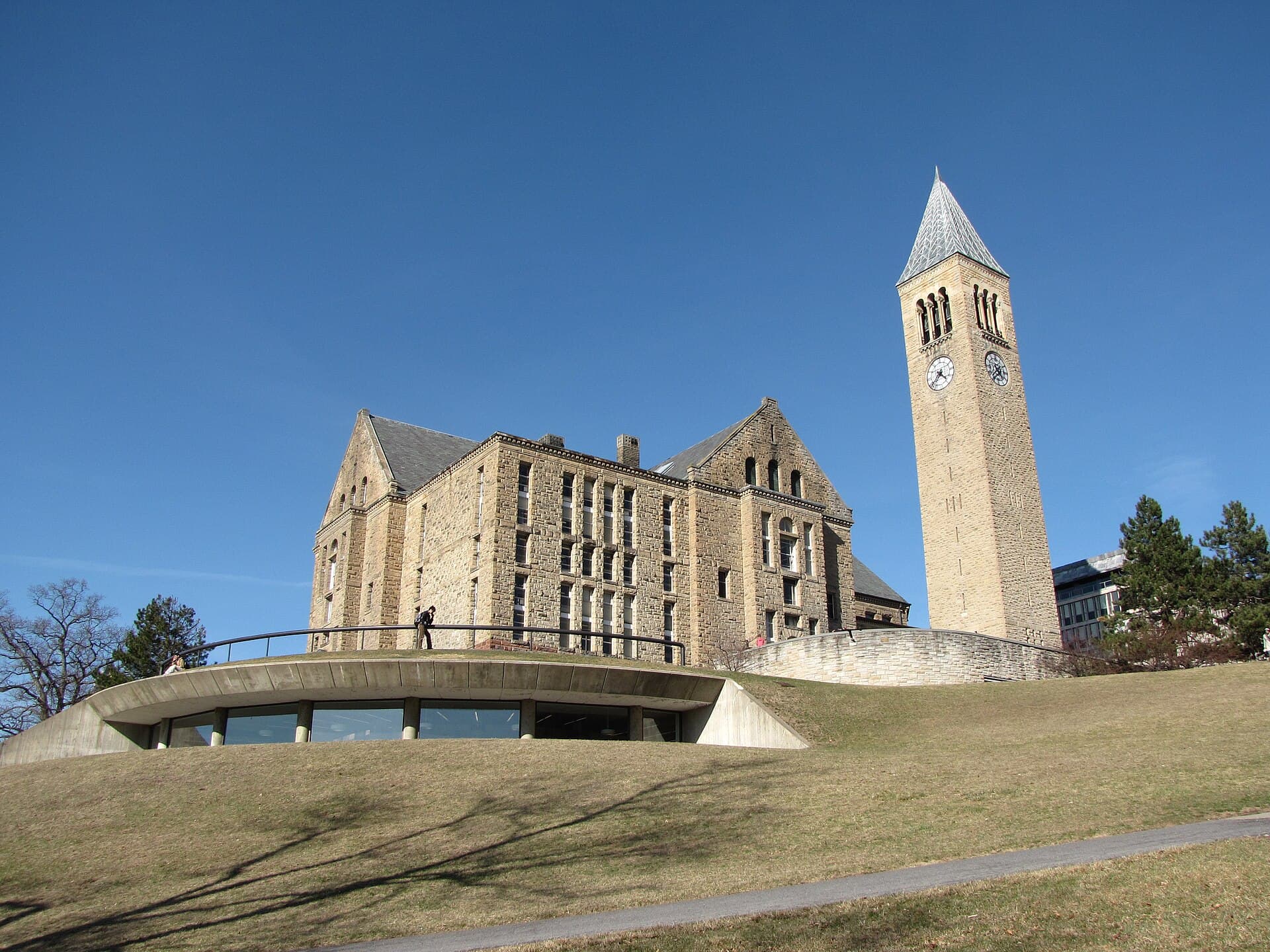
R.V. was admitted to Stanford and Cornell, waitlisted by Columbia and denied by MIT. He chose Cornell's MEng after comparing professional focus, duration, funding from his family and the opportunity cost of leaving work. Stanford's offer was attractive, but its total cost and the fit of the degree structure led him elsewhere.
WHAT CHANGED
- Inflated AI language became accurate systems language.
- A general job title was unpacked through incidents, tasks, and decisions.
- The degree choice incorporated family contribution, lost salary, and program length.
WHAT DID NOT CHANGE
- R.V. still had no research publication.
- The employer’s proprietary code and data remained private.
- A degree could not guarantee international employment afterward.
The reader’s understanding changed in stages.
This sequence describes what the revised evidence made easier to understand. It does not claim to reconstruct an admissions committee’s private deliberations.
A software analyst whose scope is initially difficult to judge.
Monitoring, incident response, and data workflows reveal growing technical responsibility.
A public synthetic project makes his method assessable without breaching trust.
Cornell’s professional structure and lower total burden become a reasoned decision.
The alternatives were plausible—and less useful.
Continue using AI as the headline
A technically informed reader could see the gap between terminology and work.
Describe only confidential projects
The application would ask readers to accept technical depth they could not inspect.
Choose the most visible offer
Program format and family cost could be subordinated to name recognition.
Remain employed
It would preserve income but might not provide the structured systems depth he had identified.
Each stage used a different test.
| Decision | How it was tested |
|---|---|
| How to demonstrate technical depth | Pair bounded professional descriptions with inspectable public work. |
| How broad the goal should be | Name the systems problem first and leave distant career options secondary. |
| Research or professional degree | Compare thesis expectations, capstone work, and the role R.V. wanted next. |
| Which offer was sustainable | Model tuition, living costs, duration, lost salary, and family support without assuming a job outcome. |
WHAT THIS CASE SUPPORTS
- R.V. could frame and document a technical problem independently.
- He had practical experience with reliability and messy operational data.
- He could protect confidential information while remaining specific.
WHAT IT CANNOT PROVE
- That the synthetic project was novel research.
- That routine automation was machine-learning deployment.
- That admission would lead to a particular job or country of employment.
A credibility check for applied technical applicants
The profile shows how one applicant’s evidence and decisions were organized. It does not predict another person’s result or supply a story to copy.
- What can an evaluator inspect rather than simply take on trust?
- Would a technical reader use the same label for the work that you do?
- Which part of the desired growth is unlikely to happen through continued employment alone?
- How much financial pressure would each program place on the household?
R.V.’s credibility came from making method visible and limits explicit, not from borrowing the language of research or artificial intelligence. Technical credibility does not require a publication, a famous employer or permission to disclose proprietary code. R.V. used public evidence, precise contribution and a narrow purpose for study. His decision shows why degree format and total cost can outweigh the most visible institutional name.