
SMALL BY DESIGN Every student gets our full attention. Read our story →

UNDERGRADUATE ADVISING

A stronger application begins long before the essays.

We help you make good decisions about your classes, activities, and college list, then prepare an application that sounds like you. One mentor gets to know you and guides the work from start to finish.

Arrange your free introduction

45 minutes with your proposed mentor. A personalized plan by email afterward.

Explore how we can help
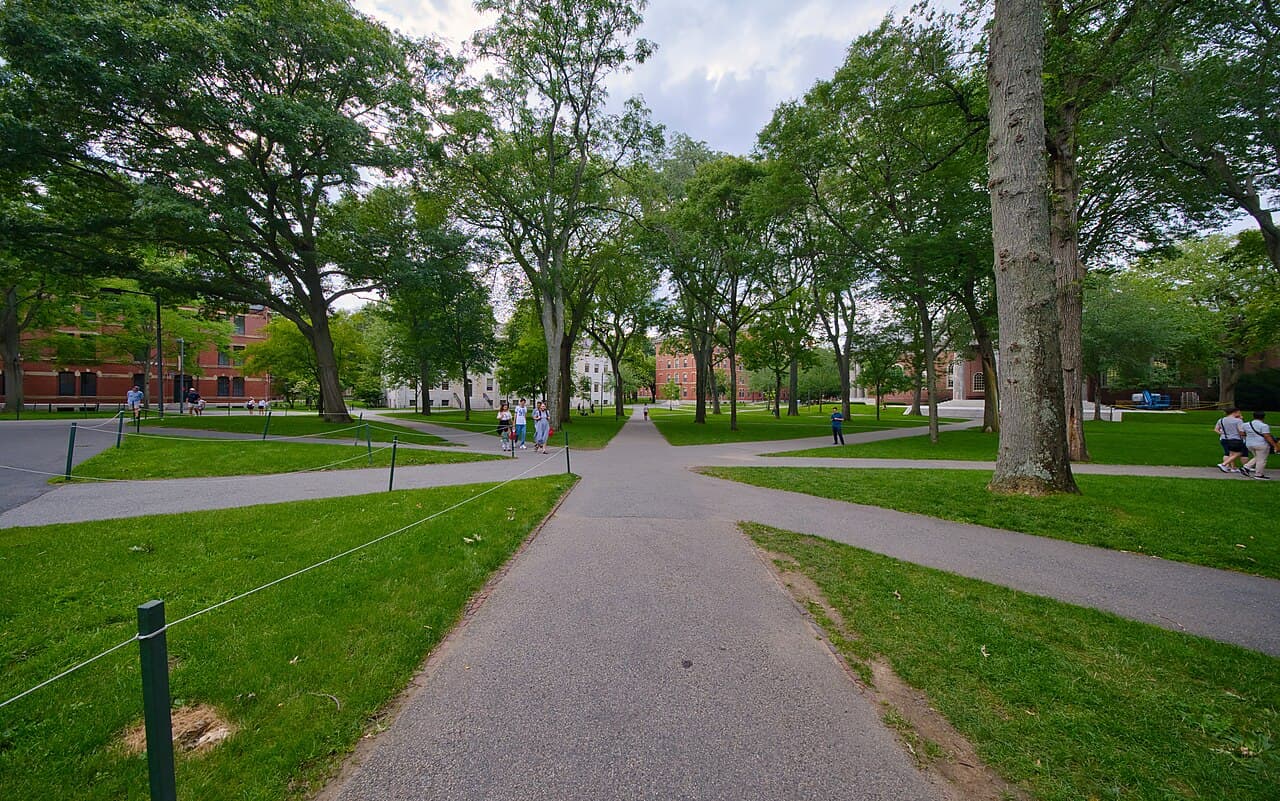
Tree-lined paths and brick buildings in Harvard Yard
Colleges and universities in the U.S. and around the world

Harvard Yard · Chris Rycroft / Wikimedia Commons, CC BY 2.0. Resized and cropped.

HOW WE CAN HELP

You don’t have to figure it all out on your own.

We’ll help you choose colleges, plan your next steps, and prepare applications that reflect your interests and experiences.

A hand writing in a notebook

CHOOSING COLLEGES

The right list starts with what matters to you.

We’ll explore what you want to study, how you like to learn, and where you could feel at home. Together, we’ll compare majors, campus life, and affordability, then build a balanced college list.

A place to start

Pick two colleges. Find a course you’d love to take at each, then write down one reason it fits you and one question you still have.

LOOK BEYOND THE NAMEIllustrative comparison
Two example colleges compared by learning, exploration, and daily life
What mattersCollege ACollege B
How you learnSmall discussion classesLectures and small-group tutorials
Room to exploreFlexible first yearChoose your subject early
Campus settingSuburban campusCity campus

For both: check the full cost and the financial aid available to you.

Which setting would help you learn and feel at home?

ACADEMICS & APPLICATION PLANNING

A good plan leaves room for school and life.

We’ll help you choose courses, think through testing, and map your application deadlines, so you can see what needs attention and what can wait.

Illustrative week: starting college research
School days
Classes, assignments, and time to rest.
Wednesday
Find a course you like at each of two colleges.
Weekend
Talk through what you found and note your questions.
Try this today

Put your school deadlines and commitments on a calendar first. Then find one realistic space for an application task.

ACTIVITIES, WORK & PROJECTS

An interest you already have is a place to begin.

We’ll help you explore an interest, develop a project, or make more of work you already do. A job, family responsibility, or community activity can be a meaningful part of your story.

Illustrative project: food waste at school
  1. Notice somethingWhen and where does food go uneaten?
  2. Try a small changeWith the school’s permission, test an optional smaller-portion choice.
  3. Learn from itRecord what changed and what you’d try next.
Start with your own experience

Choose something you already do. What did you notice, what did you contribute, and what did you learn?

ESSAYS & APPLICATIONS

Your own experiences can make a strong essay.

Not sure where to start? We’ll talk through your experiences, help you shape your ideas, and give feedback as you revise. Your voice stays at the heart of the work.

We also help with supplements, activity descriptions, recommendation planning, and the final application checks.

Try reading a paragraph aloud

Mark any sentence you wouldn’t say in conversation. Then ask: what does this paragraph help someone understand about me?

There’s help for the decisions that follow, too.

We can help you prepare for interviews, talk through offers, and plan your next steps toward enrollment.

UNDERGRADUATE RESULTS

Our students have received offers from leading U.S. universities.

Ivy League offers
150+
Offers to U.S. Top 20 universities
200+
Where our students have received offers

Across the five most recently completed admissions cycles.

Explore student results

HOW THE YEARS CAN LOOK

Starting early gives you time to explore, not only to prepare.

Every student’s path is different. This is a common shape for students applying to U.S. colleges, and we adjust it for the UK and other countries.

  1. Grades 9 and 10

    Explore and build good habits.

    Take courses that interest and stretch you, try a few activities, and notice what you keep coming back to.

  2. Grade 11

    Deepen what matters and start researching.

    Plan any testing, take on more responsibility in one or two commitments, and begin exploring colleges.

  3. Summer before grade 12

    Draft, list, and plan.

    Write your personal essay, build a balanced college list, and ask teachers about recommendations.

  4. Fall of grade 12

    Early and first deadlines.

    Many early deadlines fall in early November. University of California applications for fall 2027 are due by November 30, 2026.

  5. Winter and spring

    Regular deadlines, then decisions.

    Many regular deadlines fall in early January. Decisions arrive in spring, and you compare offers, aid, and fit before choosing.

A few application details are worth checking early.

TWO STUDENTS, DIFFERENT PATHS

Real experiences made each application clearer.

These anonymized journeys show how an honest story and a careful comparison of offers shaped two decisions.

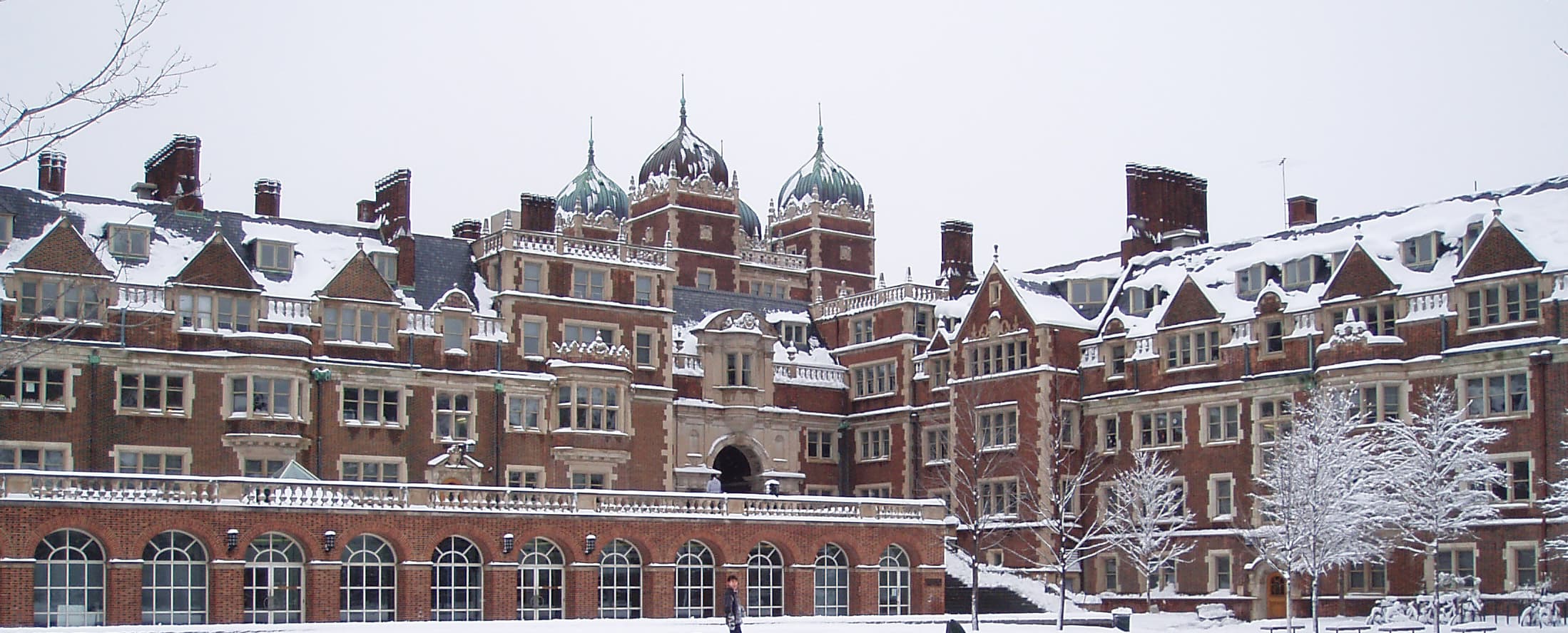
Penn’s red-brick Quadrangle buildings in winterFINAL CHOICE · PENN

D.K. · ECONOMICS AND PHILOSOPHY

D.K.’s strongest essay showed how she changed her mind.

How we helped

Her first essay sounded like a position paper. We helped her show the person behind the argument, then compare aid, curriculum, and fit before she chose.

Her offers
Harvard, Yale, Penn, and UChicago
Her choice
Penn, after comparing aid and curricular flexibility
Read D.K.’s journey

The Quadrangle, University of Pennsylvania · WestCoastivieS / Wikimedia Commons, CC0. Resized and cropped.

MIT’s Great Dome above its classical stone columnsFINAL CHOICE · MIT

E.B. · MECHANICAL ENGINEERING

E.B.’s repair work became a clear engineering story.

How we helped

He had years of practical repair experience but no national award. We helped him explain his responsibility, collaboration, and the limits of each project, then compare the academic and financial details of his offers.

His offers
Harvard, MIT, Stanford, and Cornell
His choice
MIT, after a detailed academic and financial comparison
Read E.B.’s journey

Great Dome, MIT · Marco Almbauer / Wikimedia Commons, Public domain.

Not applying yet? Our free University Planning Guide takes you through each year of U.S. high school, from grade 9 to applying in grade 12. You don’t need to become a client to use it.

QUESTIONS FAMILIES ASK

A few practical answers.

If your question isn’t here, bring it to your free introduction.

When is the best time to start?

Grades 9 to 11 give you the most room to explore, but it is never too late to get useful help. Even in senior year, we can help you plan a realistic list and strong applications.

Do you help with universities outside the U.S.?

Yes. We help with UK universities, including Oxford and Cambridge, and with universities in Europe, Asia, and elsewhere. Many students apply to more than one country.

Should I apply early decision?

Early decision is usually binding, so it makes sense only for a college you are sure about and can afford. We talk through the trade-offs with you and your family.

We live outside the U.S. Can you still help?

Yes. We work with families in many countries, online, and at times that suit your time zone, and we explain how U.S. admissions differs from your local system.

How involved can parents be?

As involved as your family would like. Parents are welcome to join conversations, and we share updates on progress in the way your family prefers.

PEOPLE ON YOUR SIDE

Your mentor is chosen for experience and care.

We carefully select mentors who listen, offer honest feedback, and help you feel comfortable asking questions. One lead mentor gets to know you and guides your work.

How we choose and match mentors
A few of the universities and business schools our mentors have attended

Our team has guided students of different ages and stages. Their careers span technology, finance, consulting, education, and government at leading companies and institutions.

Notebook and coffee prepared for a consultation
START WITH A CONVERSATION

Let’s work out your next step, together.

Bring your questions to a free 45-minute introduction with your proposed mentor. We’ll listen, talk through your options, and send you a personalized plan by email. No scare tactics and no pressure to sign up: we’ll tell you honestly what we think, even if that means pointing you somewhere else.

Arrange your free introductionRead our story →