.jpg)
MBA programs
For professionals ready for a broader management role or a change of direction.
- Two-year full-time MBA
- One-year MBA
- Part-time MBA
- Executive MBA
MASTER’S & MBA ADVISING
Graduate programs want to know why you want this degree, and why now. We help you choose programs that fit your goals, explain your experience clearly, and prepare for interviews.
Arrange your free introduction45 minutes with your proposed mentor. A personalized plan by email afterward.
Explore how we can help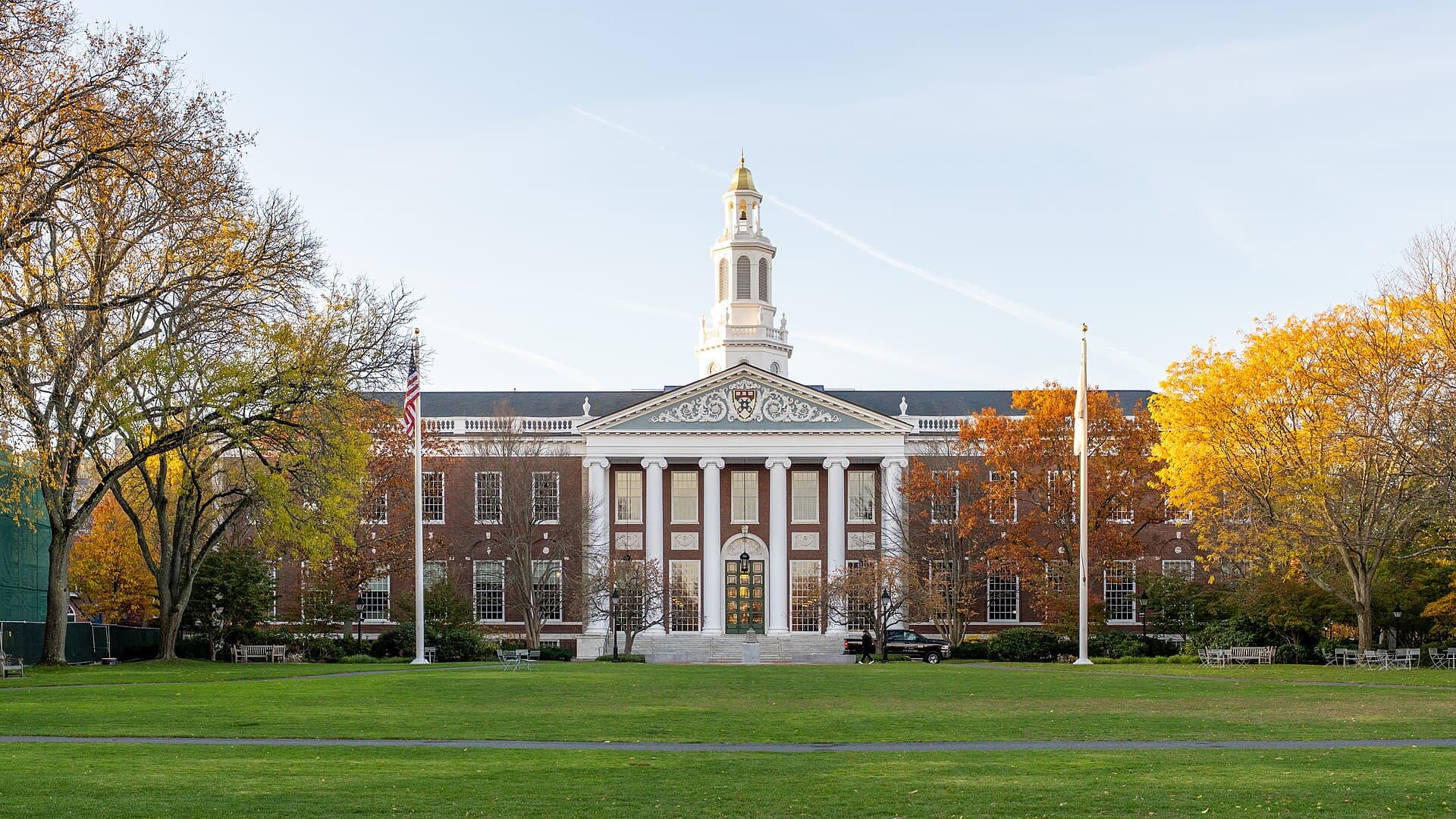
Baker Library, Harvard Business School · ajay_suresh / Wikimedia Commons, CC BY 4.0. Resized and cropped.
OUR APPLICANTS’ GRADUATE OFFERS
Across business, STEM, law, and the social sciences, in the five most recent admissions cycles.








PROGRAMS WE SUPPORT
Our applicants have applied to programs across business, science and technology, law, policy, and the social sciences, in the U.S., the UK, Europe, and Asia.
For professionals ready for a broader management role or a change of direction.
Often taken early in a career, sometimes straight after university.
For analysts, researchers, and future public servants.
For technical study and research-focused careers.
For first law degrees in the U.S. and advanced study abroad.
For careers that serve schools, communities, and cities.
For students who want to spend several years on research.
HELP THAT FITS YOUR GOALS
You might be deciding whether to apply at all, or already writing essays. We’ll help you see what matters now and build from there.
PROGRAM CHOICE
We compare what you would actually study, where graduates go, and what each program costs. A master’s, an MBA, or waiting another year can each be the right answer.
A focused shortlist, with a clear reason for every program on it.
YOUR EXPERIENCE
Admissions readers may not know your industry or your country. We help you choose examples that show your decisions, your contribution, and what you learned, in plain language.
Essays, a résumé, and short answers that sound like you and make your experience easy to follow.
TESTS & RECOMMENDERS
We build a calendar that fits your working weeks, plan any GMAT, GRE, or English tests, and help you brief recommenders so they can write specifically about you.
A realistic timeline, with test dates and recommender requests set well before each deadline.
INTERVIEWS & OFFERS
We practice the questions programs tend to ask and give you honest feedback on your answers. When offers arrive, we look at cost, scholarships, learning style, and career fit together.
Practice interviews with feedback, then a side-by-side view of your offers.
TRY THIS BEFORE YOU APPLY
Fill in one row at a time. Bring what you write, and any gaps you notice, to our conversation.
| Question to answer | What to write down |
|---|---|
| Where you want to be in five years | The role, field, or problem you want to be working on. |
| What is missing today | The skills, knowledge, or connections you don’t have yet. |
| How this program fills the gap | Two specific courses, labs, clubs, or employers you would use. |
| Why now | What has changed, and what waiting two more years would cost you. |
| The full cost | Tuition, living costs, lost income, and the funding you could apply for. |
For entry in fall 2027, Harvard Business School and Wharton close round two on January 5, 2027, and Stanford GSB on January 6. Round one closed in early September 2026.
Harvard Business School asks every applicant for a GMAT or GRE score, taken by the deadline, with no waivers and no preference between the two. Other programs set their own rules, so check each one before you book a test.
Almost all Oxford graduate courses have a December or January deadline, the latest point to be considered for most Oxford scholarships. You can apply to at most three graduate courses in one cycle.
HOW A YEAR CAN LOOK
Every plan is different, but this is a common shape for applicants aiming at round one or round two MBA deadlines, or December and January master’s deadlines.
About a year before
Compare what you would study and where graduates go, then take a practice GMAT or GRE to see where you stand.
Six to nine months before
Book your test dates with time for a retake, and ask people who have seen your work closely.
Three to six months before
Draft your essays and résumé, and give recommenders specific examples they can mention.
Deadlines
Many MBA programs close round one in September and round two in January. Many master’s programs close in December or January.
After you apply
Practice for interviews, then compare cost, scholarships, learning style, and career fit before you decide.
TWO APPLICANTS, DIFFERENT CHOICES
These anonymized journeys show how careful preparation and an honest comparison of offers can shape a decision.
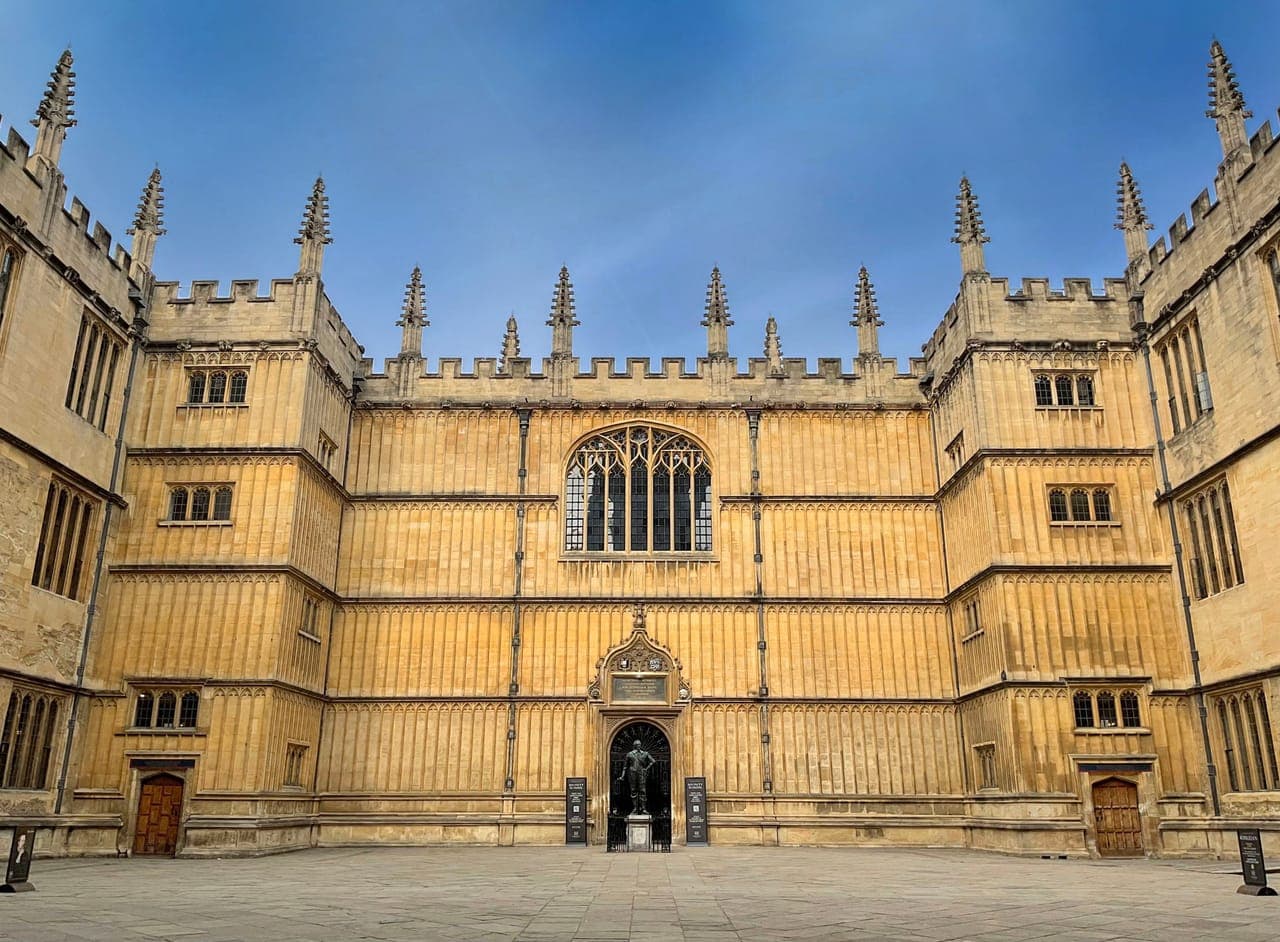 FINAL CHOICE · OXFORD
M.C. · ECONOMICS MASTER’S
We helped him separate his research-assistant tasks from his own work, then refine a writing sample from his undergraduate thesis. Before choosing, he compared the training, dissertation expectations, program length, and cost.
Bodleian Library · Honcques Laus / Wikimedia Commons, CC0.
 FINAL CHOICE · DARDEN
D.P. · MBA
We helped him turn military logistics experience into clear examples of his decisions and what he learned. Together, we compared learning style, career options, family considerations, and scholarship support.
Darden School of Business · tldagny / Wikimedia Commons, CC BY 2.0. Resized and cropped.
Our free master’s and MBA guides help you compare programs at your own pace. You don’t need to become a client to use them.
QUESTIONS APPLICANTS ASK
If your question isn’t here, bring it to your free introduction.
Ideally nine to twelve months before your first deadline, so tests, recommenders, and essays don’t all land in the same month. If you are closer than that, we can still help you plan a realistic route.
Most applicants apply in one of the first two rounds. The right round is the one where your application is strongest, including your test score and essays, and we’ll help you judge that honestly.
Yes. Some applicants want support from start to finish. Others want help with their program list, essays, or interviews. Your personalized plan will suggest what would help most.
Yes. Many applicants use a graduate degree to change direction. We help you explain what you learned in your earlier work and why the new field makes sense now.
Yes. Funding deadlines are often tied to your application deadline or round, so we plan for them early and help you compare offers when they arrive.
RELATED SUPPORT
These services often go together with a graduate application.
PEOPLE ON YOUR SIDE
We carefully select mentors who listen, offer honest feedback, and help you feel comfortable asking questions. One lead mentor gets to know you and guides your work.
How we choose and match mentors


Our team has guided students of different ages and stages. Their careers span technology, finance, consulting, education, and government at leading companies and institutions.

Bring your questions to a free 45-minute introduction with your proposed mentor. We’ll listen, talk through your options, and send you a personalized plan by email. No scare tactics and no pressure to sign up: we’ll tell you honestly what we think, even if that means pointing you somewhere else.
Arrange your free introductionRead our story →
