Engineering that another person could understand
E.B.’s strongest engineering evidence came from repair, paid work, and learning to document a solution for other people—not from a national prize or polished technical language.
Strong technical work hidden behind club language
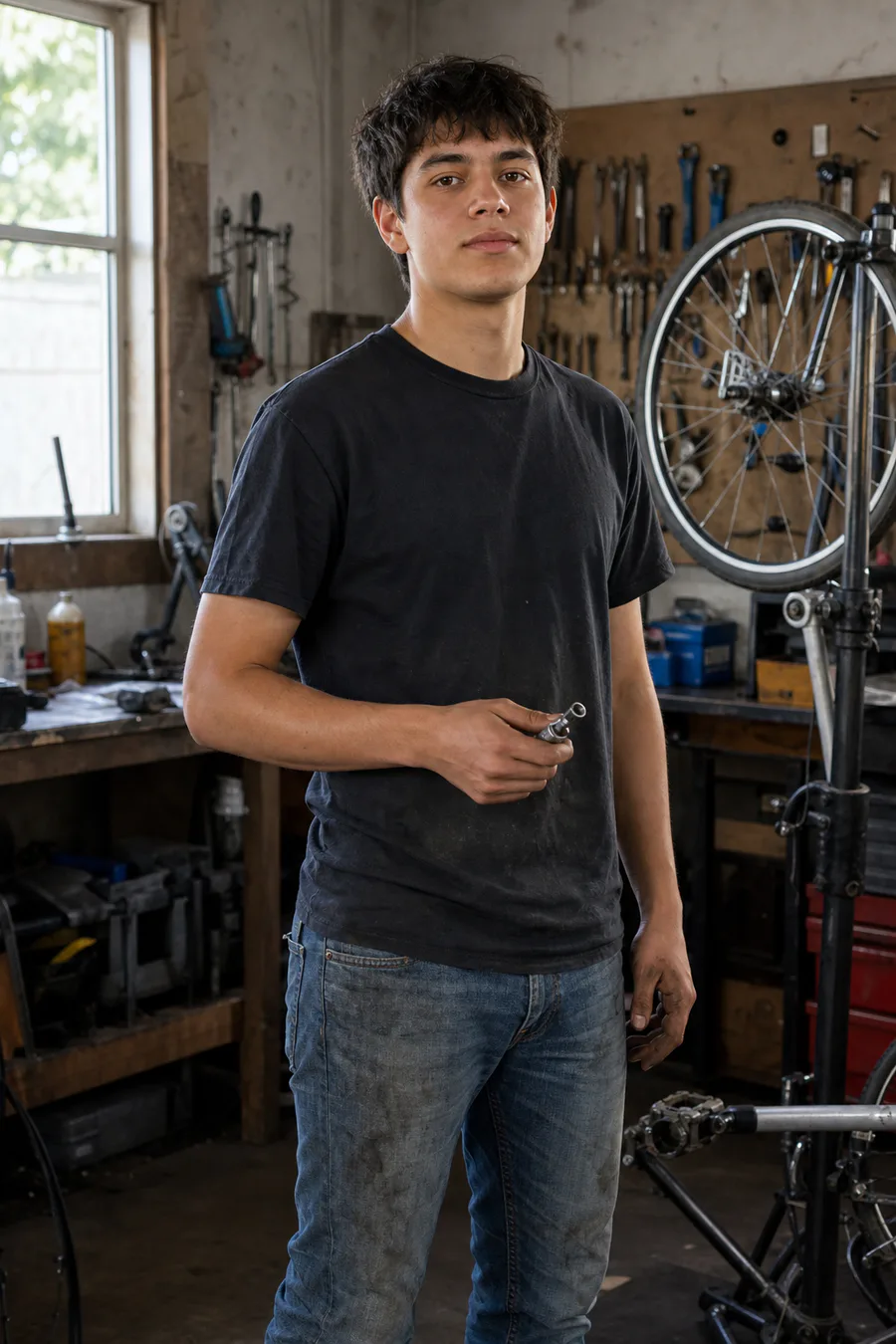
E.B. spent years repairing bicycles with an uncle, participated in robotics and worked a paid weekend shift at an auto-parts store. He had strong mathematics and physics results but no national research prize. His first activity list buried paid work and practical responsibility beneath technical club language. Written responses explained mechanisms accurately while skipping conflict, uncertainty and collaboration.
His parents were proud but cautious about a private-university price tag. E.B. assumed he should choose the most familiar West Coast option if admitted, before seeing any aid package or comparing programs in detail.
The difference between fixing and leaving a usable solution
What the application already showed
- Advanced technical coursework
- Sustained hands-on repair experience
- Paid work and practical family responsibility
What it did not yet answer
- Could E.B. explain technical work to a nontechnical reader?
- What belonged to him within team outcomes?
- Would the family evaluate private universities using actual aid?
Failure, collaboration, and practical responsibility
The questions below did not supply an admissions formula. They determined what evidence needed to be checked, which claims needed limits, and what the applicant still had to decide.
What lies beneath the visible mechanical failure?
The repeated bicycle failure pushed E.B. past the visible broken component toward the load causing the problem underneath it.
When does individual competence weaken a team?
Individual competence weakened the robotics team when E.B. repaired a mechanism alone but left other students unable to understand the fix.
What makes technical knowledge useful to another person?
Technical knowledge became useful through the ordinary language required by auto-parts customers and by parents working through financial-aid instructions.
The repair kept failing because the visible problem was not the real one.
Application planning mapped where E.B. had made, tested, repaired and taught. The mentor pushed him to distinguish his own work from the robotics team's results and to quantify only what he could verify. His main essay focused on a repair that repeatedly failed because he had diagnosed the visible problem rather than the underlying load. The story showed persistence without claiming that a bicycle repair changed an industry.
Supplemental work varied by institution instead of recycling one engineering paragraph. E.B. compared project culture, first-year flexibility, undergraduate research and access to energy-related coursework. A recommendation plan helped teachers address both technical ability and his growth as a communicator. Aid forms and deadlines were tracked separately from admissions tasks.
The facts stayed the same. Their hierarchy changed.
Evidence was made more precise, attributable, and useful. The goal was not to enlarge the record, but to stop one title, institution, hardship, or outcome from carrying more meaning than it could support.
Technical club language dominated the activity list.
Paid work, repair, and family translation received their proper weight.
Team results implied individual ownership.
E.B.’s tasks and decisions were separated from collective outcomes.
Working alone appeared efficient.
Documentation and shared understanding became part of the engineering solution.
A first-generation application with cost still unknown
E.B. had accumulated more responsibility than his application language suggested. At the auto-parts store he learned to explain a problem to customers who used different names for the same component, and at home he helped translate financial-aid instructions for his parents. He did not view either task as an activity. Bringing them into the process helped reveal communication and reliability without turning family responsibility into a sentimental marketing device.
He also needed to confront the gap between building and collaborating. In robotics, he preferred repairing a mechanism alone because group discussion felt slow. A teammate's feedback showed that this habit sometimes solved the immediate problem while preventing others from understanding the fix. The application became richer when he included that limitation and the deliberate effort to document work for the team.
Independence remained visible in the work.
- E.B. wrote every response and chose how much family financial context to include. Technical details were checked with him rather than rewritten into more impressive claims. Interview practice helped him explain collaborative setbacks in ordinary language.
Choosing hands-on culture after the real aid arrived
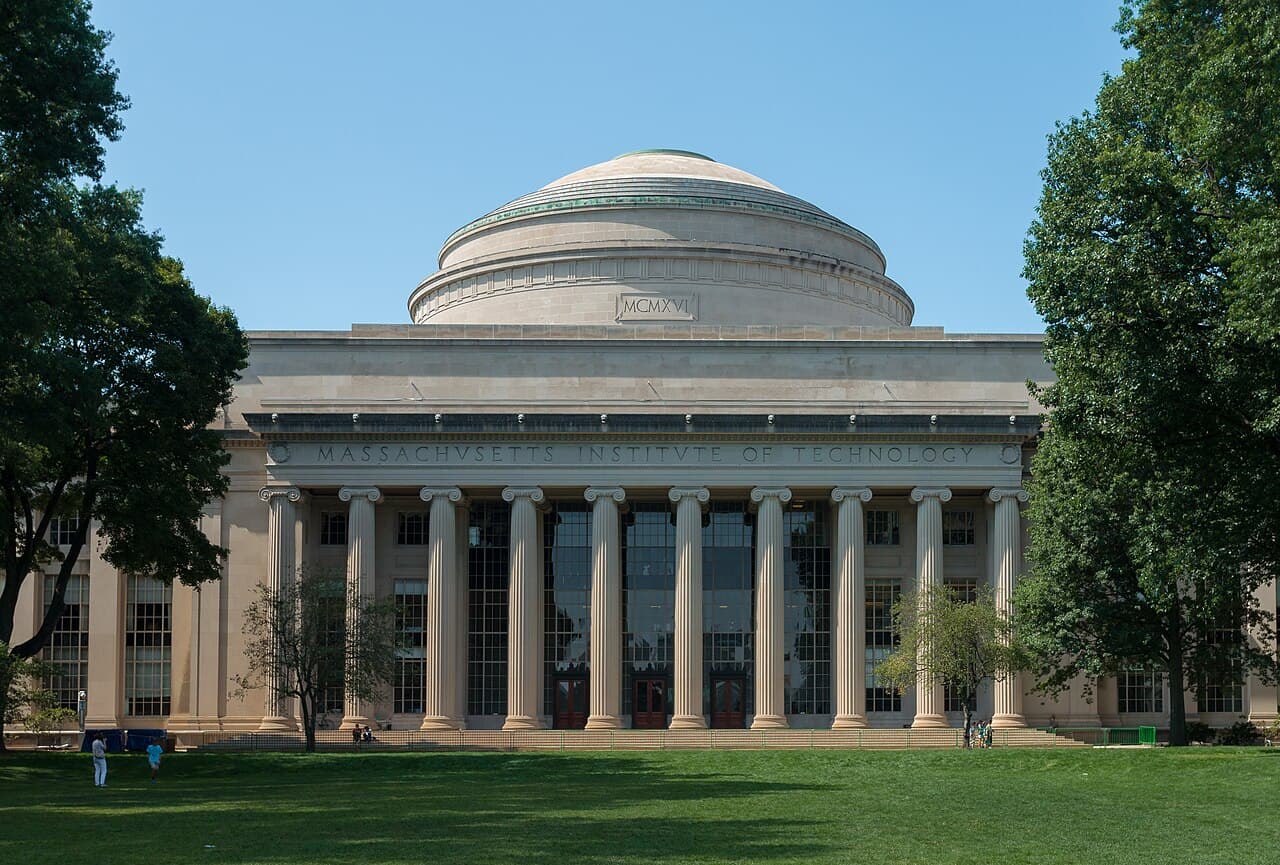
E.B. was admitted to MIT, Stanford and Cornell, waitlisted at Princeton and denied by Caltech. He chose MIT after the final aid comparison and conversations about hands-on engineering culture. The family did not decide from published price alone, and E.B. did not treat the Caltech rejection as contradicting his other outcomes.
WHAT CHANGED
- Paid work and family translation moved out from beneath robotics terminology.
- Team outcomes were separated from E.B.'s own tasks.
- Documentation became part of the solution rather than work done after it.
- The family compared universities after receiving actual aid rather than relying on sticker price.
WHAT DID NOT CHANGE
- E.B. had no national research prize.
- Repair work remained practical rather than formal engineering research.
- The robotics team's results still belonged to the team.
- Family affordability remained a material part of the decision.
The reader’s understanding changed in stages.
This sequence describes what the revised evidence made easier to understand. It does not claim to reconstruct an admissions committee’s private deliberations.
A highly prepared mathematics and physics student without a national research distinction.
A maker whose paid work and family responsibility were more substantial than the first list suggested.
An engineer learning that diagnosis and shared understanding matter more than taking over the fix.
A family choosing hands-on education after program and aid evidence were available.
The alternatives were plausible—and less useful.
Lead with technical club vocabulary
A reader might see mechanisms but miss E.B.'s practical responsibility and communication.
Claim the team's result as individual achievement
Strong participation would be weakened by unclear ownership.
Present working alone as pure efficiency
The application would hide the collaborative limit E.B. had begun to address.
Choose from published price or regional familiarity
The family could reject or favor an option before knowing its real academic and financial terms.
Each stage used a different test.
| Decision | How it was tested |
|---|---|
| How to describe projects | Separate what E.B. built or repaired from what the team accomplished. |
| How to show engineering method | Explain the failed diagnosis, the underlying load, and what changed in the model. |
| How to show collaboration | Include documentation and the ability of others to understand or reproduce the work. |
| How to choose among offers | Compare hands-on culture, flexibility, research access, and official net cost. |
WHAT THIS CASE SUPPORTS
- E.B. had sustained practical experience diagnosing and repairing mechanical problems.
- He recognized that solitary efficiency could weaken team understanding.
- Paid work and family translation required communication and reliability.
WHAT IT CANNOT PROVE
- That bicycle repair constituted formal engineering research.
- That E.B. individually produced the robotics team's results.
- That admission to several programs made the family cost negligible.
Questions for the builder who prefers to work alone
The profile shows how one applicant’s evidence and decisions were organized. It does not predict another person’s result or supply a story to copy.
- Which repair taught you that the obvious problem was only a symptom?
- Could a teammate reproduce your fix without asking you to take over?
- What responsibility looks ordinary to you because it happens every week?
- Can a nontechnical reader follow the decision without losing the engineering?
- Which cost assumption should wait for an official aid offer?
E.B.’s application showed that engineering is not only the ability to make something work. It is the discipline to discover why it failed and leave the solution understandable to others. Practical work, paid employment and family responsibility can reveal engineering habits as clearly as a formal research program. E.B.'s story became more credible when he described failed repairs, documentation and collaboration. Aid evidence allowed the family to evaluate ambitious offers on real rather than assumed cost.