The laboratory introduced her to scientific work.
She prepared materials, observed procedures, and organized basic data. The experience taught her without making her the owner of the research.
Z.W.’S UNDERGRADUATE JOURNEY
Her laboratory experience mattered, but so did helping younger students understand biology. We helped her show what she had actually contributed and explain why making science accessible interested her.
An anonymized student journey, shared with initials.
Z.W.’S OFFERS



Rejected by Stanford University and Yale University.
THE MATERIAL WAS ALREADY THERE
Z.W.’s early application emphasized a summer laboratory placement and short academic programs. Her health-bulletin work revealed decisions she could explain from her own experience.
HOW WE HELPED
We helped her separate the laboratory’s wider work from her assigned tasks, then find the strongest examples of her own curiosity and judgment.
She prepared materials, observed procedures, and organized basic data. The experience taught her without making her the owner of the research.
Translating short science explanations for a school health bulletin meant deciding how to make unfamiliar ideas understandable to younger readers.
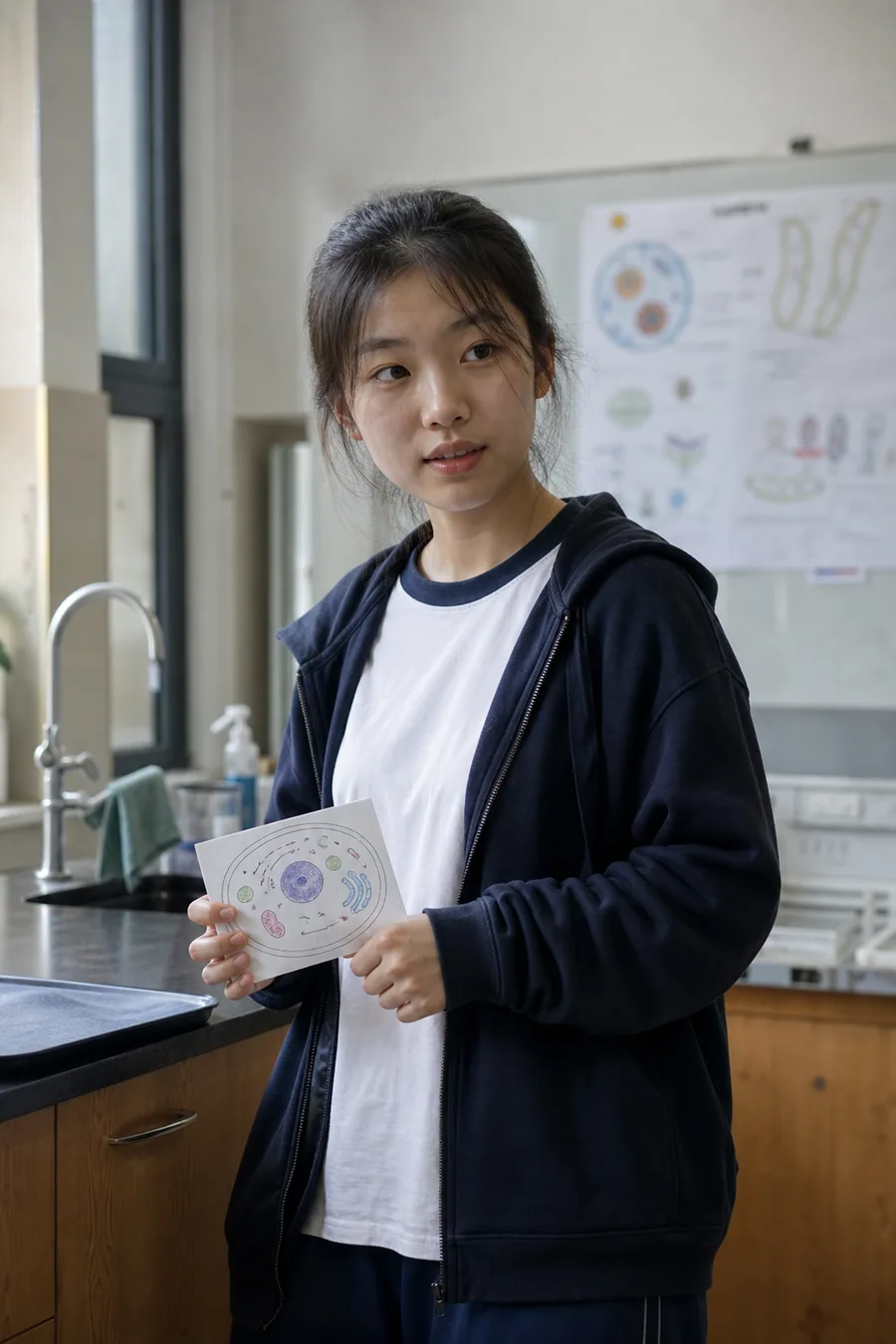
Helping classmates interpret biology diagrams made her notice the difference between understanding an idea herself and explaining it clearly to someone else.
THE HEALTH-BULLETIN ESSAY
Her essay centered on revising an explanation after younger students misunderstood a cell diagram. The work showed her thinking, not just the subject she enjoyed.
THE EXPLANATION
A health-bulletin explanation drew on her interest in biology, but familiarity with the subject did not guarantee that readers would follow it.
THE RESPONSE
Their misunderstanding made her reconsider the representation itself and ask what the explanation had assumed its audience already knew.
THE REVISION
Revising the explanation helped her explore how scientific knowledge can become less useful when the way it is presented creates confusion.
LETRADO’S ROLE
We helped her develop this specific experience into the essay, keeping attention on what she noticed, reconsidered, and changed in her explanation.
HOW WE WORKED TOGETHER
The work connected accurate activity descriptions, writing, and interview practice. Each part helped her explain what she knew without needing a more impressive title.
We helped her map each group project, her assigned tasks, and what she learned, then reduce space given to less meaningful short programs.
Z.W. reviewed every research verb against what she had done. The laboratory experience stayed, with descriptions she could discuss confidently and accurately. She wrote all responses.
Interview sessions used technical and everyday versions of the same explanation, helping her adjust to the listener while keeping the meaning accurate.
She practiced speaking before finding a perfectly polished sentence. Ordinary language and self-correction gave her ways to explain an idea without abandoning precision.
We compared undergraduate research access, public-health connections, advising, breadth, and campus scale so she could ask what studying there would actually involve.
Z.W. asked how early undergraduates typically enter laboratories. This made access a question to investigate rather than something she assumed from an institution’s reputation.
THE FINAL CHOICE
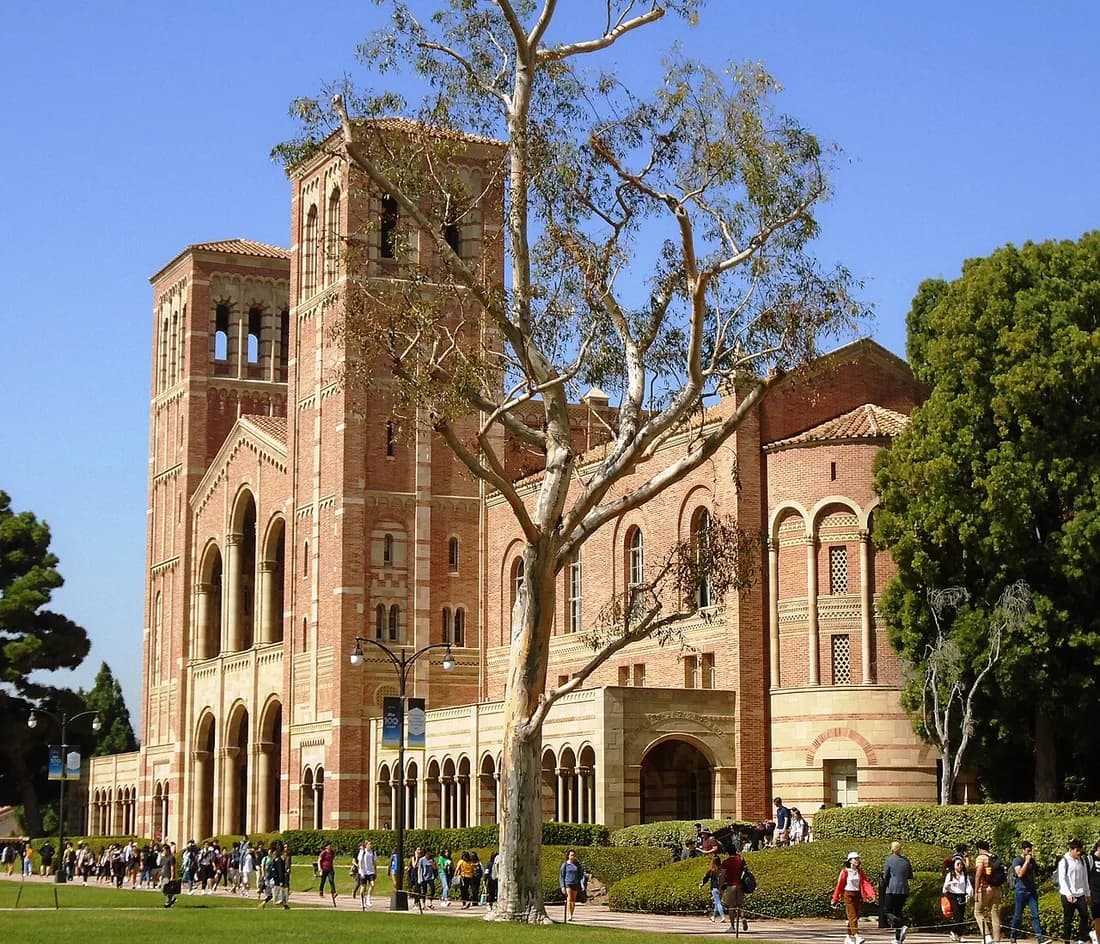
Johns Hopkins offered a close thematic match, while Cornell appealed for breadth. Z.W. weighed the education alongside campus environment and her family’s cost.
She wanted room before choosing a research specialty.Biology and access to public health suited her interests while leaving space to explore before defining herself through one research focus.
Campus life and family cost belonged in the decision.Her comparison included the environment she would live in and what her family would pay, alongside the academic opportunities.
IDEAS FOR YOUR OWN APPLICATION
Look for experiences where you made decisions, noticed a problem, or helped someone understand. These questions can help you choose what to describe.
Separate the team’s purpose from your tasks, decisions, and learning. Use verbs you would feel comfortable explaining in a conversation.
Describe what confused them, what you reconsidered, and how you responded. A small audience can still give you something meaningful to reflect on.
Ask when undergraduates can join research, what preparation they need, and who helps them find a place. Look beyond the laboratory’s name.
Meet your proposed mentor in a free 45-minute introduction. We’ll talk about what would help and send a personalized plan by email afterward.
