The school archive made historical questions tangible.
Helping a teacher digitize school publications gave him material to examine and a reason to ask how institutions remember their own past.
P.N.’S UNDERGRADUATE JOURNEY
He wanted to study history and politics without turning his identity into a slogan. Together, we focused his applications on how he reads evidence and the education he wanted next.
An anonymized student journey, shared with initials.

P.N.’S OFFERS




Rejected by Princeton University.
THE MATERIAL WAS ALREADY THERE
P.N. enjoyed discussion and writing but held no prominent elected role. His activities offered concrete ways to show how he examined competing perspectives.
HOW WE HELPED
We helped him choose experiences he wanted to discuss, protect private details, and plan separately for Oxford’s subject focus and broader U.S. applications.
Helping a teacher digitize school publications gave him material to examine and a reason to ask how institutions remember their own past.
The school newspaper sat alongside his interest in writing, migration history, and the ways communities describe events and belonging.
It was one part of an activity list that reflected his interests, even without a prominent elected leadership title.
THE ARCHIVE ESSAY
His first statement tried to explain his entire identity. A school-archive example gave his U.S. essay a more specific way to show how he thought.
THE SOURCES
While editing material in the archive, he found contradictory descriptions. The disagreement gave him a historical problem grounded in evidence he had handled.
THE QUESTION
Rather than simply choosing which account was authentic, he looked at omissions and asked how they shaped the story being preserved.
THE REFLECTION
The essay followed his analysis of the accounts, making his interest in history visible without asking him to explain every part of his identity.
LETRADO’S ROLE
We supported the analysis and helped him separate the essay’s purpose from a complete personal history. P.N. chose the example and the details he shared.
HOW WE WORKED TOGETHER
Oxford’s defined course and U.S. curricular options raised a real question about specialization. We helped P.N. examine that difference before the offers arrived.
He developed subject-focused preparation, selected appropriate written work, and practiced discussing sources and counterarguments rather than relying on one reusable personal essay.
Interview preparation gave him practice engaging with an opposing interpretation. The emphasis was on examining the evidence and explaining his reasoning, not adopting a debate persona.
We helped him identify topics he could discuss comfortably, letting specific examples carry the writing without making private family history its centerpiece.
P.N. decided which identity details to include. Narrowing the task gave him more room to explain an experience rather than trying to summarize his entire background.
He compared tutorial teaching, core requirements, regional studies, language study, and undergraduate research alongside the practical experience of studying in Britain or America.
The research asked how much subject focus he wanted now. It also considered what studying in the UK, rather than returning to the U.S., would mean personally.
THE FINAL CHOICE
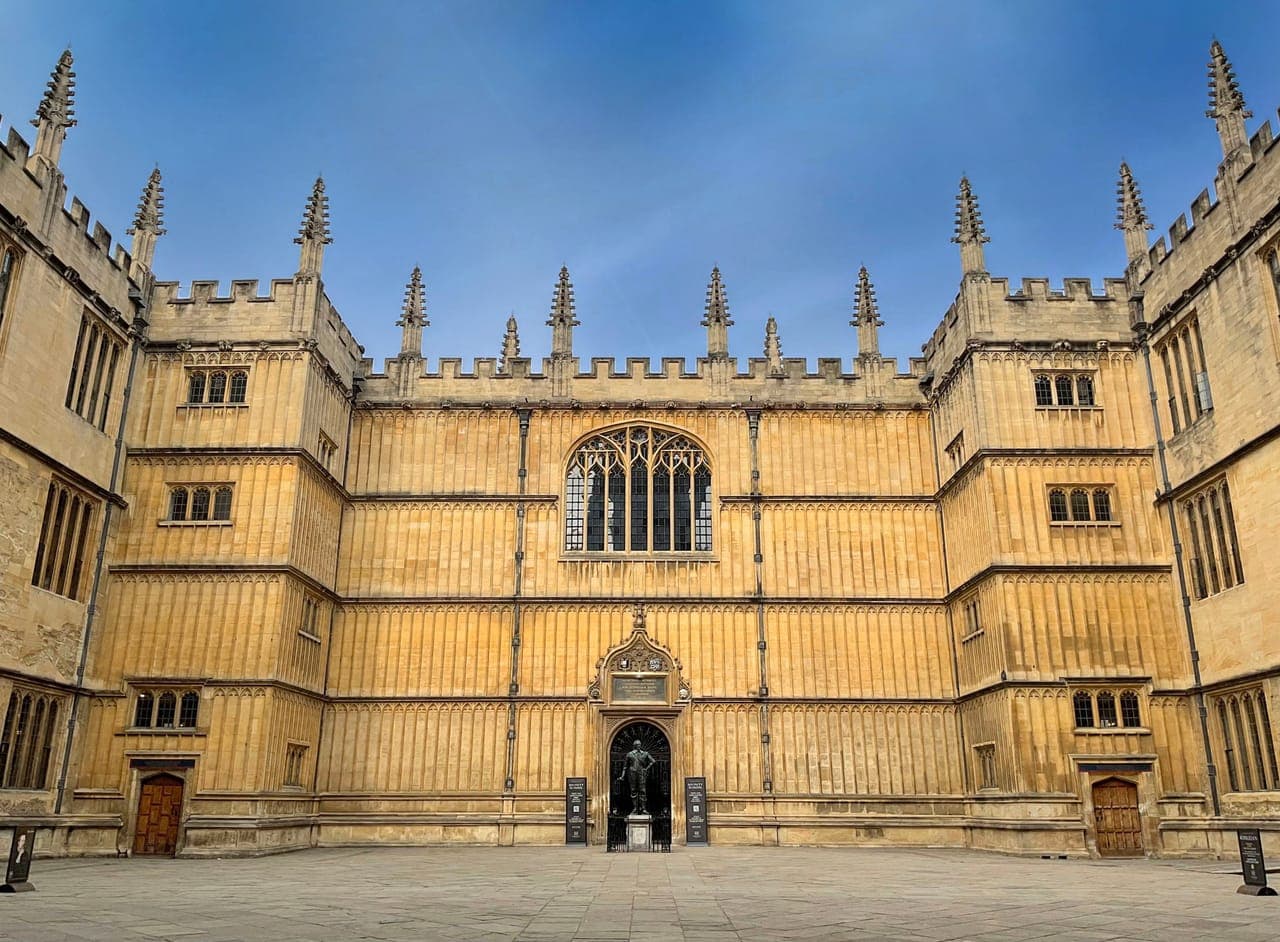
Yale offered curricular freedom and Columbia a structured core in a global city. P.N. chose Oxford because its course and teaching matched his preferred next step.
Tutorial teaching suited the work he wanted to pursue.The opportunity for concentrated discussion and analysis matched his interest in examining historical evidence and working through competing interpretations.
He was ready to commit to History and Politics.After comparing broader options, he decided that a defined course offered the depth he wanted rather than a restriction he needed to avoid.
IDEAS FOR YOUR OWN APPLICATION
You can share the experiences that matter to your thinking without explaining everything about yourself. Use these questions to find a useful starting point.
Choose a source you actually worked with. Explain what caught your attention, what you examined, and where your interpretation became more careful.
Decide what helps explain your thinking and what you would rather keep private. An application does not need your complete personal history.
Compare course requirements and teaching formats, not only university names. Ask which kind of work you would want to do each week.
Meet your proposed mentor in a free 45-minute introduction. We’ll talk about what would help and send a personalized plan by email afterward.
