SMALL BY DESIGN Every student gets our full attention. Read our story →
All guides by place

U.S. & UK · UNITED KINGDOM

You can apply to UK and U.S. universities in the same year, with a plan for each.

From a UK school, you can apply through UCAS and to U.S. colleges in the same year. The two systems ask for different things on different dates, and U.S. colleges usually want your answer before your UK results arrive. This guide puts them side by side, with the costs in pounds.

For 2027 entry

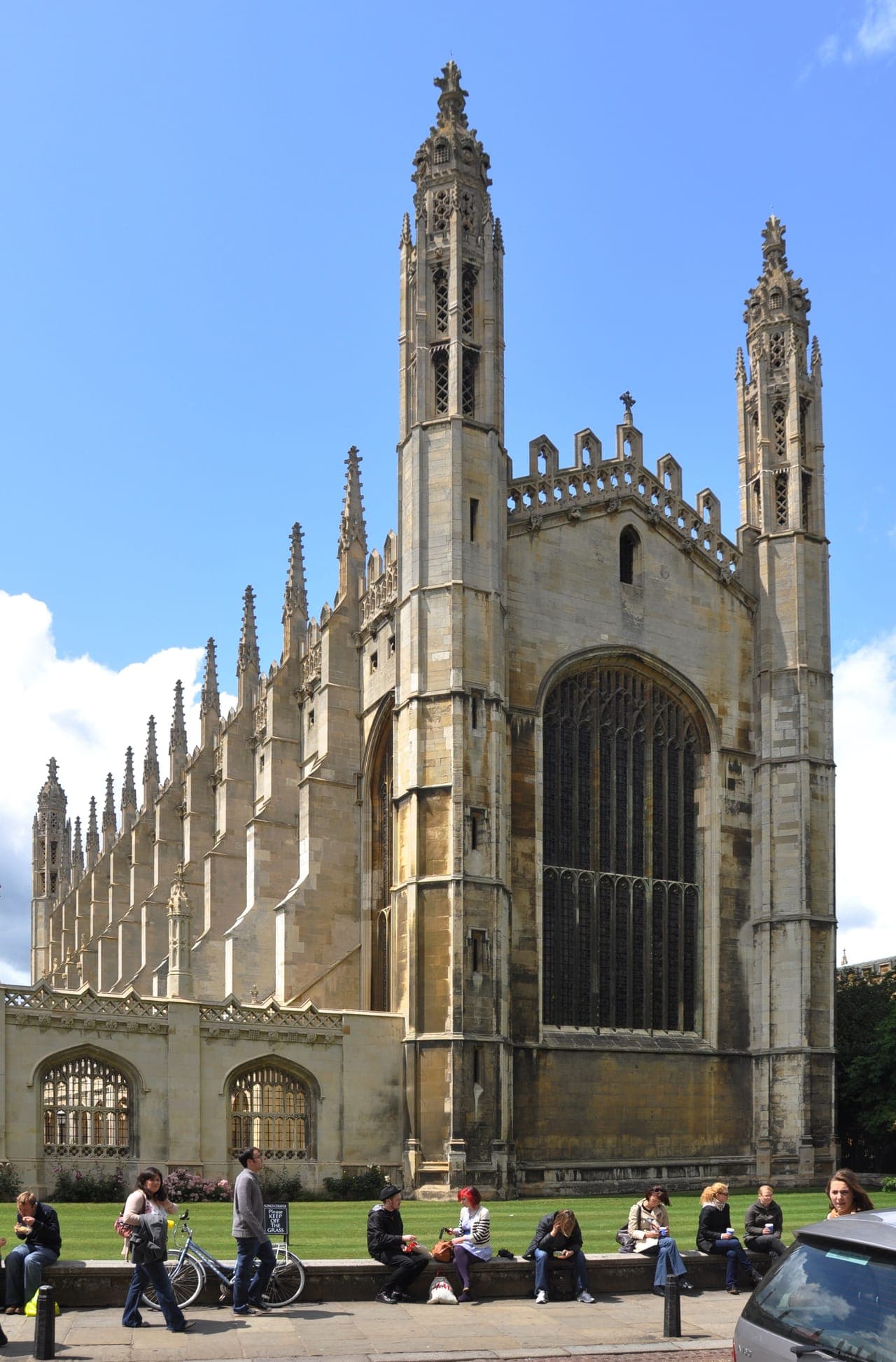
The Gothic towers of King’s College Chapel in Cambridge
King’s College Chapel, Cambridge · Photo: Andreas Praefcke / Wikimedia Commons, CC BY 3.0. Cropped.

START WITH YOUR QUALIFICATION

You’ll apply before your final results, so your predicted grades do a lot of the work.

UK universities look at your predicted grades when they decide on offers, and a conditional offer usually depends on your exam results. U.S. colleges read your earlier results, such as GCSEs, your predicted grades, and what your school says about you.

  • ENGLAND, WALES AND NORTHERN IRELAND

    GCSEs, then A Levels

    You usually take three or four A Levels in your last two years at school or college, after your GCSEs.

    UK universities
    Set offers in A Level grades, often in particular subjects.
    U.S. colleges
    Read your GCSE results, your A Level subjects, and your predicted grades in the context of your school. Testing rules vary by college.
  • SCOTLAND

    Highers, then Advanced Highers

    You take Highers in S5 and S6, and you can go further in a subject with Advanced Highers.

    UK universities
    Highers are the standard entry requirement for Scottish universities. Cambridge bases its requirements on Advanced Highers.
    U.S. colleges
    Read your Higher results, your Advanced Higher subjects, and your predicted grades in the context of your school.
  • INTERNATIONAL BACCALAUREATE

    The IB Diploma

    You take six subjects, three or four at Higher Level, plus the core. Your teachers predict your grades before the final exams in May.

    UK universities
    Usually set offers in total points and grades in named Higher Level subjects.
    U.S. colleges
    Look at your courses, grades, and predicted results in the context of your school.
  • T LEVELS

    A T Level, with a work placement

    A T Level is a two-year course after your GCSEs. You spend 80% of your time in the classroom and 20% on a 45-day placement with an employer.

    UK universities
    T Levels carry UCAS points, and a Distinction* is worth the same as three A Levels at A*. Check that each course accepts your T Level.
    U.S. colleges
    Ask each college how it reads a T Level, and ask your school to explain the course in its report.

Letrado’s adviceAsk your school early how it sets predicted grades, and who will write your UCAS reference and your U.S. counselor letter. U.S. colleges also read a school profile that explains your courses and grading, so ask whether your school has one.

Predicted grades and your school reference

Predicted grades: Your school predicts the grades it believes you’re likely to get, and the teacher who writes your reference adds them to your application. Universities use them, with everything else you send, when they decide on offers.

Your reference: A teacher or tutor who knows you writes it, and it can explain anything that affected your studies. Your referee can’t see your courses, so tell them what you’re applying for. You can’t send your application until the reference is added, so leave time before the deadline.

Conditional offers: A conditional offer means you still need to meet its requirements, usually your exam results. On results day, your UCAS Hub shows whether your place is confirmed.

For U.S. colleges: Your counselor sends a school report and transcript, and many colleges also ask for teacher letters. Testing rules vary. Harvard, for example, requires the SAT or ACT, and accepts GCSE and A Level results or predictions only in exceptional cases when those tests aren’t available.

If you’re in Scotland: Advanced Highers and four-year degrees

Four-year degrees: Scottish degrees usually take four years. At St Andrews, the first two years give you a broad start, and at Edinburgh you usually study three subjects in your first year.

Starting in second year: Some Scottish universities let well-qualified applicants start in second year. Edinburgh and St Andrews do for some science degrees.

Cambridge: It bases its entry requirements on Advanced Highers. Scottish applicants usually apply in S6 while taking three, and offers can name grade bands, such as A1 or A2.

COMPARE THE SYSTEMS

UK universities and U.S. colleges read your application in different ways.

You can apply to both in the same year, and we help with both, including Oxford and Cambridge. Each has its own application, deadlines, and idea of a strong applicant, so give each one its own plan.

UK UNIVERSITIES, THROUGH UCAS

UK universities admit you to one course.

You apply through UCAS for up to five courses, with one personal statement that all of them see. It answers three questions: why you want to study the subject, how your studies have prepared you, and what else you’ve done to prepare outside education. Your answers share 4,000 characters, with at least 350 for each.

Letrado’s adviceChoose a subject you’d enjoy studying for three or four years, then check each course’s subject requirements before anything else.

OXFORD AND CAMBRIDGE

Oxford and Cambridge ask for more, and earlier.

Their UCAS deadline is 15 October, and you can’t apply to both in the same year. Some courses set an admissions test or ask for written work. Interviews take place in December, and decisions come in January.

Letrado’s adviceChoose between them by course. Compare what you’d study and how it’s taught, not just the name.

U.S. COLLEGES

U.S. colleges read your whole record in context.

You apply to each college separately, often through the Common App. Colleges look at your grades in the context of your school, alongside your essays, activities, a counselor letter, teacher letters, and test scores where they ask for them. As a UK citizen, you’ll usually apply for aid as an international student.

Letrado’s adviceAsk your school early who will send your school report and counselor letter. It’s extra work alongside your UCAS reference, so give them time.

Free help is available, too.

The Sutton Trust US Programme, run with the US-UK Fulbright Commission, supports state-school students from lower-income families through U.S. applications, free of charge, including travel. You join in Year 12 (S5 in Scotland, Year 13 in Northern Ireland). The Fulbright Commission is also the UK center for EducationUSA and gives free information about studying in the U.S.

If you apply early to a U.S. college

Early Action at Harvard and Yale: Harvard’s Restrictive Early Action and Yale’s Single-Choice Early Action both allow applications to universities outside the U.S. at the same time, so you can still apply through UCAS. You hear by mid-December.

Early Decision: It’s binding. Penn, for example, lets you apply to universities outside the U.S. alongside it, but if Penn admits you early, you must withdraw all your other applications and enroll. Talk through the cost with your family before you apply.

PLAN YOUR YEAR

Put UK and U.S. dates on one calendar, because they overlap.

UK and U.S. deadlines, decisions, and replies fall at different times. Seeing them together shows where you may need to decide before every result is in.

  • U.S. colleges
  • UK universities
  • Student finance
  • Exams and results
  1. October 2026

    • UK universities Oct 15

      UCAS deadline for Oxford, Cambridge, and most medicine, dentistry, and veterinary courses

      18:00 UK time.

    • UK universities October

      Oxford’s admissions tests

      If your course needs a UAT-UK test, you take it in October.

  2. November 2026

    • U.S. colleges Often Nov 1

      Early deadlines at many U.S. colleges

      Harvard’s and Yale’s are both November 1.

    • UK universities Nov 10

      Written work due at Oxford

      For courses that ask for it.

  3. December 2026

    • UK universities Early to mid-December

      Oxford and Cambridge interviews

      Cambridge’s main interview period is December 7 to 18.

    • U.S. colleges Mid-December

      Early applicants hear from Harvard and Yale

  4. January 2027

    • U.S. colleges Often Jan 1 or 2

      Regular deadlines at many U.S. colleges

      Harvard’s is January 1, and Yale’s is January 2.

    • UK universities Jan 12

      Oxford decisions

      Cambridge’s also arrive in January.

    • UK universities Jan 13

      UCAS deadline for most other courses

      18:00 UK time.

  5. March 2027

    • U.S. colleges Late March

      Many U.S. regular decisions arrive

      Harvard’s come by the end of March, and Yale’s in late March.

  6. April 2027

    • Student finance From spring

      Student finance applications open in England for courses starting from August 2027

      You’ll apply through the new Lifelong Learning Entitlement, and you don’t need a confirmed place.

    • Exams and results Apr 26

      Qualifications Scotland exams begin

      They run until June 3.

  7. May 2027

    • U.S. colleges May 1

      Reply to U.S. offers

      The usual U.S. reply date, months before your exam results.

  8. July 2027

    • Exams and results Early July

      IB results

      In 2026 they came out on July 6.

    • UK universities Jul 2

      UCAS Clearing opens

  9. August 2027

    • Exams and results Aug 10

      Qualifications Scotland results

    • Exams and results Aug 12

      A Level results

      UK universities then confirm conditional offers.

U.S. dates vary by college, so check each college’s own page. UCAS hasn’t yet published its 2027 dates for replying to offers, so check its dates page as the year goes on.

TRY THIS WITH EACH UNIVERSITY ON YOUR LIST

A good list shows why each choice belongs on it.

Open each university’s own pages and note an answer for every row. Bring the gaps and questions to our conversation, or work through them with your teachers.

A worksheet for checking each university on your list
What to checkWhat to note for each university
Your qualificationsDoes the course accept your mix of qualifications, and which grades and subjects does it ask for?
Tests and interviewsDoes the course set an admissions test, ask for written work, or interview? Does the U.S. college want SAT or ACT scores?
DatesWhen is the deadline, when will you hear back, and when must you reply?
Full cost in poundsTuition, housing, travel, insurance, and visas for the whole degree. For U.S. colleges, work it out again with a weaker pound.
Loans and aidWhat would student finance, a bursary, or a college’s own aid cover, and which forms do you need?
Would you go?If this were your only offer, would you be glad to go?

PLAN THE COST

Budget for the whole degree in pounds, then test any U.S. option with a weaker pound.

Many UK degrees take three years, Scottish degrees usually take four, and a U.S. bachelor’s degree usually takes four. Plan for the full degree, not just the first year.

YOUR YEARLY BUDGET

Count everything you’ll pay each year.

  • UK tuitionUniversities in England can charge up to £9,790 a year in 2026–27, rising to £10,050 in 2027–28. A Tuition Fee Loan can cover it, paid straight to your university.
  • Living costs in the UKFor 2026–27, a Maintenance Loan in England can be up to £10,830 a year if you live away from home outside London, or £14,135 in London, depending on your household income. The 2027–28 amounts aren’t out yet.
  • U.S. cost of attendanceEach U.S. college publishes its full cost of attendance, including tuition, housing, and food. At many U.S. colleges, first-year students live on campus.
  • Health cover and visasA U.S. student visa costs $185, plus the $350 SEVIS fee. U.S. colleges set their own health insurance rules, and many offer a student plan.
  • Flights and depositsFlights to and from the U.S. each year, and any deposit a college asks for to hold your place.

Letrado’s advicePrice each U.S. option in pounds twice: once at today’s exchange rate and once with the pound 10% weaker. Keep at least one option that still works.

Your help with costs depends on where you study and your citizenship.

  • At UK universitiesIf you live in England, you borrow for tuition and living costs through Student Finance England. For courses starting from 2027, you can borrow up to £39,160 in total for tuition under the new Lifelong Learning Entitlement. Check each university’s funding page for its own bursaries.
  • At U.S. colleges, as a UK citizenYou’ll usually apply for aid as an international student, and aid differs a lot between colleges. Yale, for example, doesn’t consider your family’s ability to pay, wherever you’re from, and Harvard says its admissions and aid processes are the same for every applicant, whatever your citizenship. Many colleges ask for the CSS Profile, where you can enter your family’s figures in pounds.
  • If you’re a U.S. citizen living in the UKU.S. federal student aid depends on citizenship, so you can file the FAFSA with an address in the UK. Colleges’ own aid may also treat you as a U.S. applicant, so check each college.
  • UK loans and U.S. studyStudent Finance England’s loans are for courses in the UK, so they won’t pay for a degree at a U.S. college.
Student finance in Scotland, Wales, and Northern Ireland differs

Scotland: You apply to SAAS, and you apply every year. If you’re eligible and study in Scotland, SAAS pays your tuition fees straight to your university. If you study elsewhere in the UK, it can currently lend you up to £9,790 a year for fees. Bursaries and loans for living costs depend on your household income.

Wales and Northern Ireland: You apply to Student Finance Wales or Student Finance NI instead, and each has its own process.

If you’re going to a U.S. college: visa and aid forms

Student (F-1) visa: You apply once your college has sent your I-20 form.

Aid forms: Many colleges ask for the CSS Profile. Harvard also asks for an IDOC packet with your parents’ income documents. For 2027–28, both are due November 1 if you apply early, or February 1 for Regular Decision.

A STUDENT FROM NORTHERN ENGLAND · G.S.

G.S. prepared for both systems, then chose on course and cost.

G.S. studied at a state sixth-form college in northern England and liked instruments as much as theories. His school could support a Cambridge application more easily than the extra testing, letters, and financial forms U.S. colleges ask for, and his family needed to see the real difference in cost.

He kept the failures in his project.

His low-cost detector gave unstable readings for months, and he had cut the failed circuits from his notes. Putting them back showed how he tracked down noise, asked for help, and decided part of the design wasn’t suitable.

He prepared for each system on its own terms.

For Cambridge, he practiced explaining his reasoning aloud, including when he didn’t know the next step. His U.S. essays covered working with others, making things, and life beyond physics.

His family priced every option.

They built a cost model from official aid information, travel, health cover, exchange rates, and the likely length of each degree. He also visited Imperial and talked with students there.

A failure you understand can say more about you than a polished result.

HIS OFFERS

  • University of Cambridge
  • Imperial College London
  • Massachusetts Institute of Technology
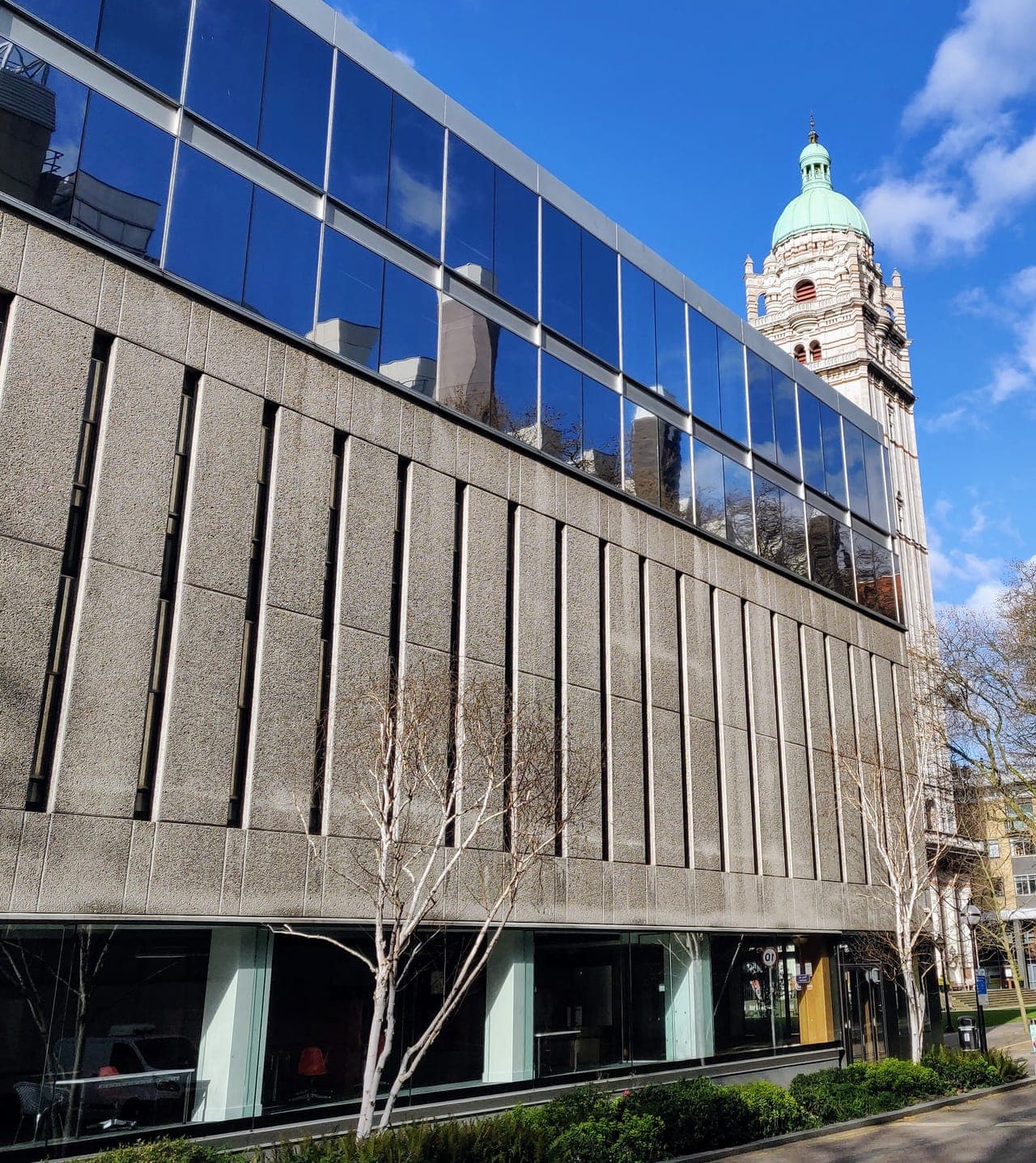
Imperial College London’s Central Library and Queen’s TowerHIS CHOICE: IMPERIAL

Imperial College London · Photo: Shadowssettle / Wikimedia Commons, CC BY-SA 4.0. Cropped.

He chose Imperial for direct physics, labs, and a lower cost.

Imperial offered physics from the start, laboratory access, and London, at a much lower cost to his family. MIT had been a serious ambition, and Cambridge offered supervision teaching and breadth before specializing. Choosing Imperial wasn’t settling for less. Cost was a real reason, not a lesser one.

An anonymized client journey, shared with initials to protect privacy.

Read G.S.’s full story Read our Cambridge guide

WHEN YOU’D LIKE A HAND

A conversation can help you find a useful place to start.

Bring your questions to a free 45-minute introduction with your proposed mentor. Afterward, we’ll email a personalized plan with recommended next steps.

Official sources are linked beside the relevant guidance.

UCAS dates and deadlines (opens in a new tab)