
K.T., an IB student in Singapore
Her parents were drawn to famous names. Her choice was about where she would grow, not which name sounded most impressive.
Chose ChoateAlso admitted
 Hotchkiss
 ExeterRead K.T.'s story →
BOARDING SCHOOL GUIDE
U.S. boarding schools choose students in the year before they start. Many English schools decide who gets a place when children are 10 or 11, even for places that start at 13. Pick your route to see the step that matters this year.
Written for the 2026–27 school year.
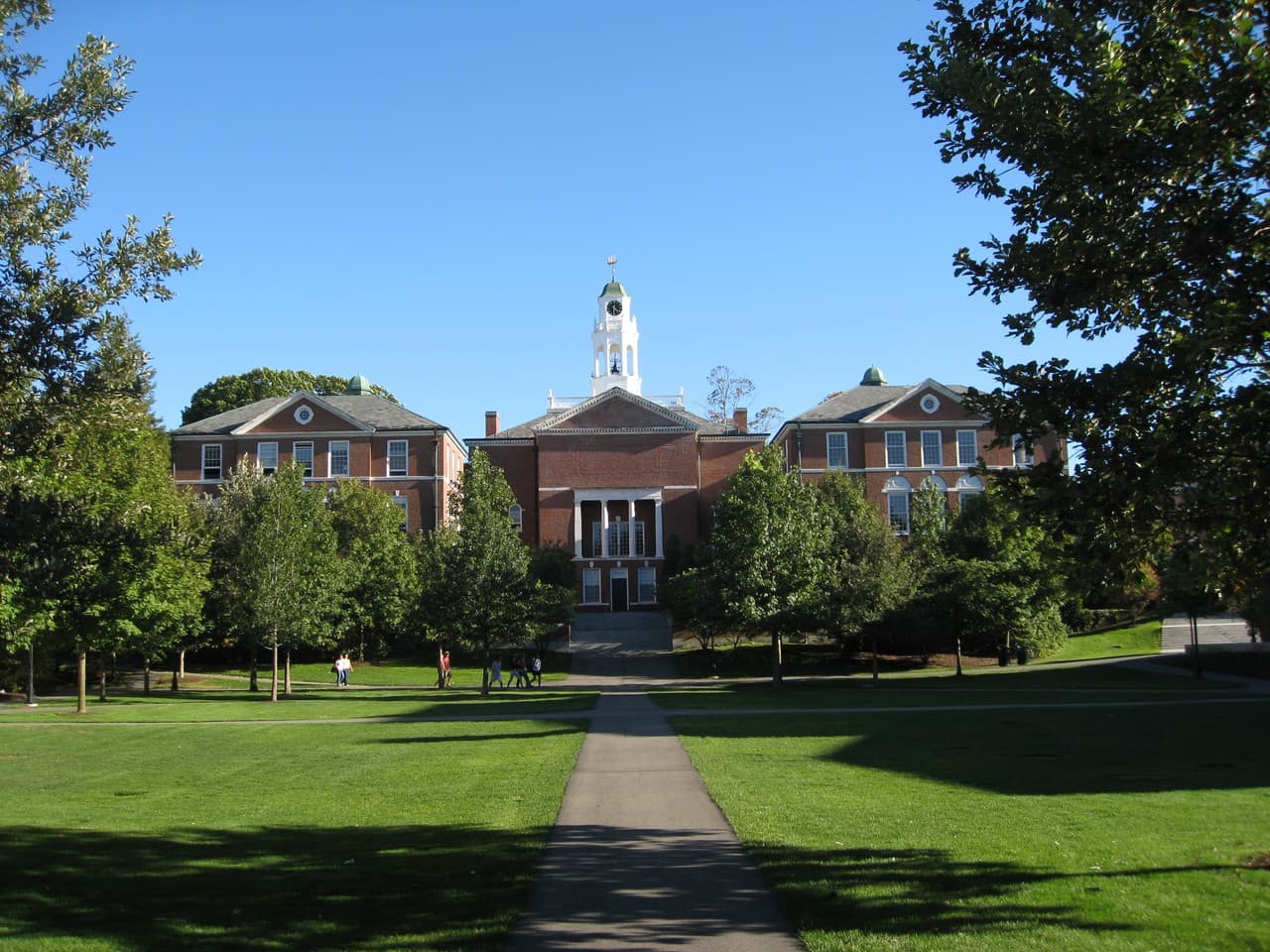
Choose your route
Free to read. No sign-up needed.
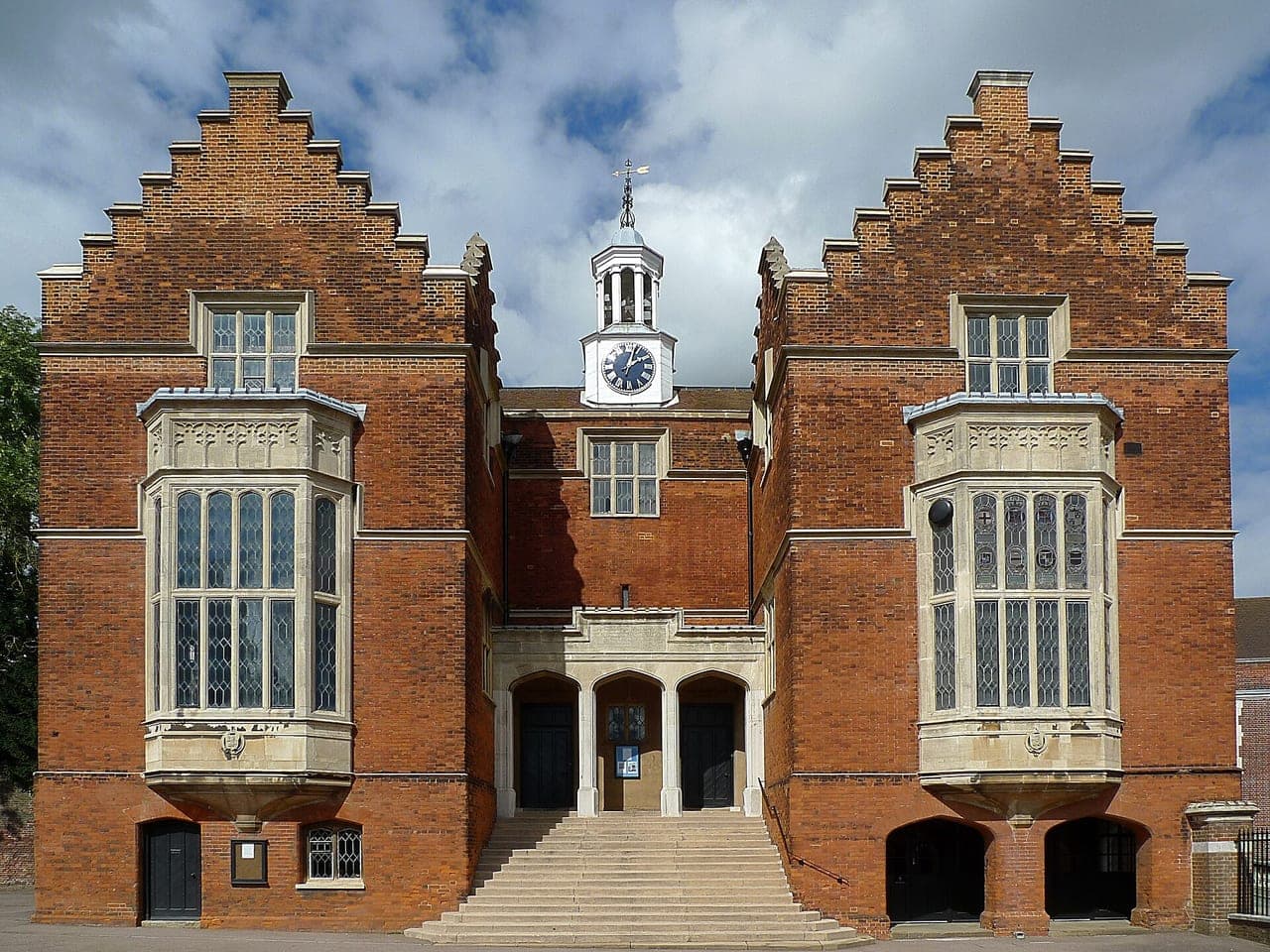 England at 11 or 13Act at 9 to 11 · England Years 5 and 6 (U.S. grades 4 and 5)See the registration deadlines at Eton, Harrow, Westminster, Winchester, and more, and why most decide who gets a place in Year 6.See this route
 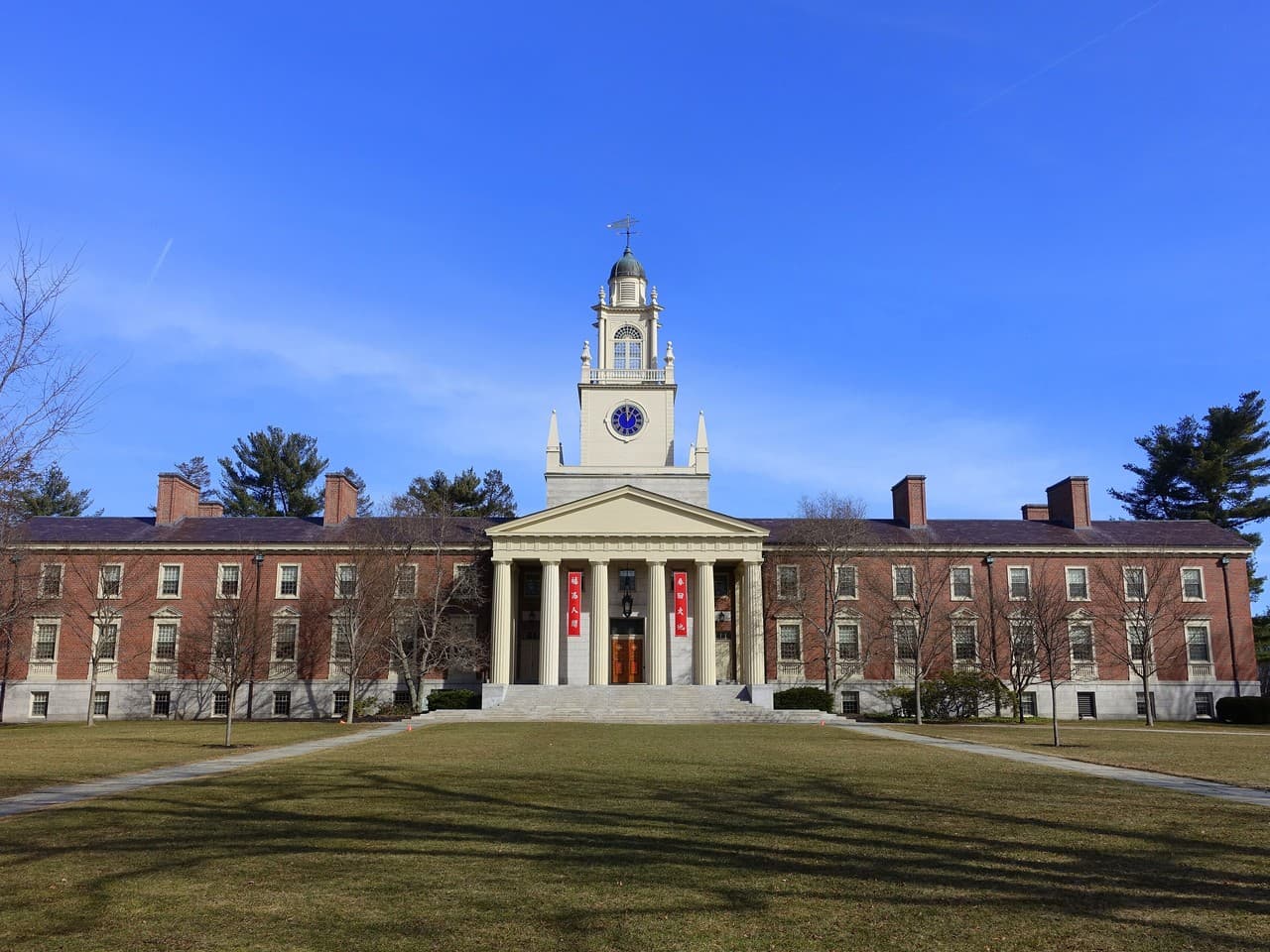 U.S. boarding schoolsAct the fall before entry · U.S. grades 8 to 12The application year at Exeter, Andover, Choate, and more, aid rules school by school, and joining in grade 10 or 11.See this route
 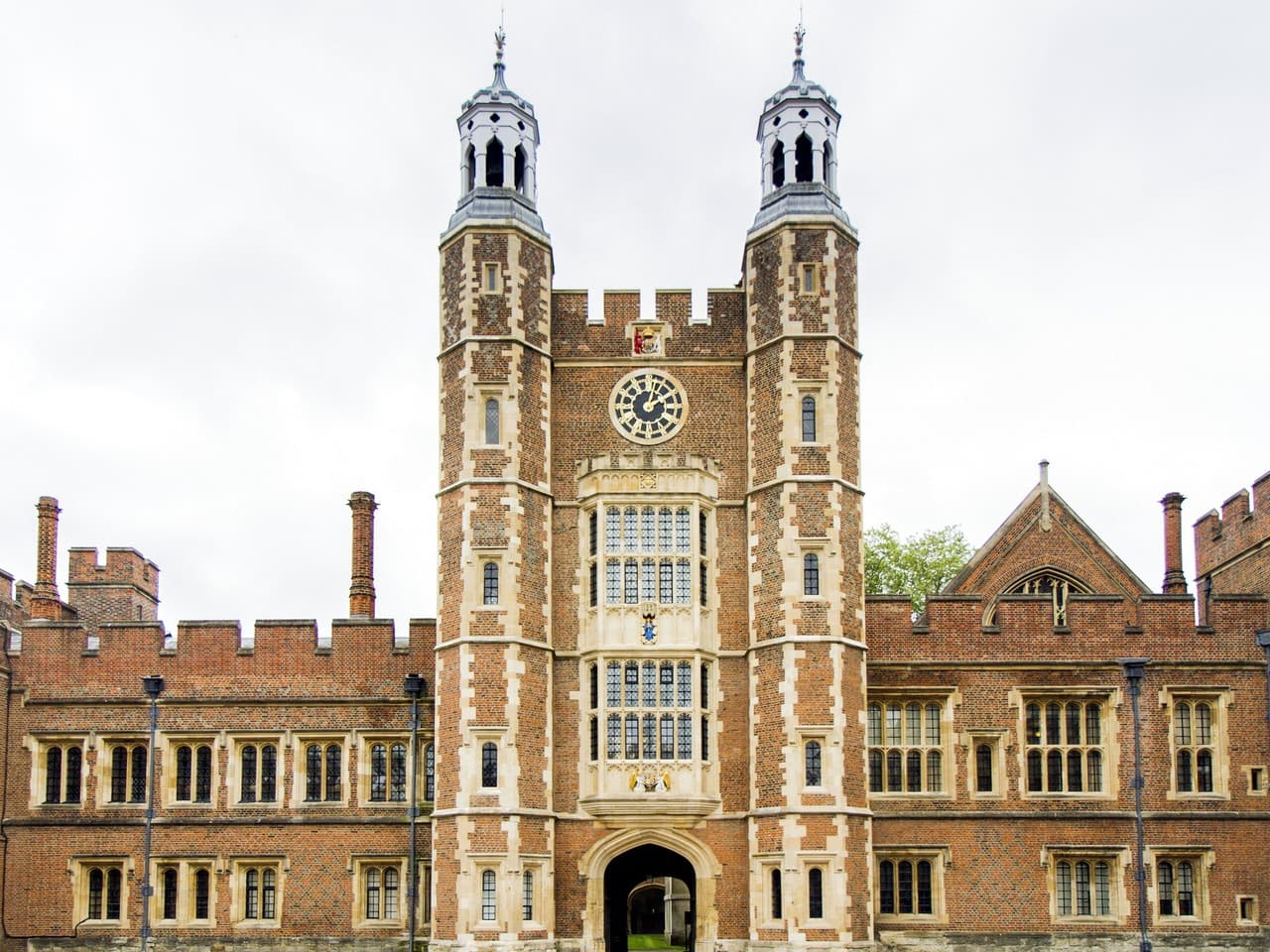 England at 16Act at 14 or 15 · England Years 10 and 11 (U.S. grades 9 and 10)Deadlines for sixth form (ages 16 to 18), the entrance tests in Year 11, the exam grades schools expect, and the student visa.See this route
 When each route asks you to act, and when your child starts.
Ages 9 to 17. England at 11 or 13: register in Year 5 or early in Year 6, tests and offers in Year 6, first day at 11 or 13. U.S. boarding schools: apply the fall before entry, usually in grade 8, first day in grade 9 at 14, or later. England at 16: register in Year 10 or early in Year 11, first day in sixth form at 16.
Children in England's Year 5 are the same age as U.S. fourth graders. Give each school your child's date of birth, and let the school work out which year your child belongs in.
Universities ask what qualification your child finishes school with, and in which subjects.
For Oxford courses that ask for A*A*A, a U.S. diploma needs four APs at 5, or three plus an SAT of 1480 or an ACT of 33. Oxford and MIT both list what they accept from each country.
Aid for families abroad varies by school. Groton's free tuition includes families abroad; Hill usually gives international students none. In England, each school sets its own bursary rules.
Visas, if your child needs one: in the U.S., an F-1 student visa, with the school's Form I-20; in England, the Child Student visa, for ages 4 to 17.
Moving partway through a course is harder. In the U.S., check how the new school counts credits and advanced courses. In England, joining before GCSEs, or at the start of sixth form, avoids switching courses midway. Moving partway through the IB is possible, but the new school may not teach your child's subjects.
Sources are listed under “How to use this guide” below.
In the long run, your child is better off at a good school that fits than at a top-ranked school that doesn't.
Her parents were drawn to famous names. Her choice was about where she would grow, not which name sounded most impressive.
ChoseChoateAlso admittedHotchkissExeterRead K.T.'s story →Staying at his current school was a real option. Another move made sense only because its purpose was clear.
Chose MiltonAlso admitted
 Lawrenceville
 Lake Forest AcademyRead T.S.'s story →
Our viewChoose boarding for what a school offers your child, and only if your child wants to go. A famous name isn't a reason on its own.
At Boston and New York selective public high schools, those just admitted did little better on tests or in the colleges they went to than those who only just missed. Across 33 studies, students in higher-achieving classes rated their own academic ability lower.
The Boston and New York study looked at day schools, not boarding schools, and found a few gains, such as in grade 10 English. The 33 studies measured how students rated their own ability at school, not their happiness. None of this means a selective school is wrong for your child. It means a school's name alone won't make the difference.
Sources: economics.mit.edu: Author-hosted published paper · frontiersin.org: Full meta-analysis.
Under each question: one school's answer, or England's rule, so you know what a good answer sounds like.
England's boarding standards require each school to give boarders an independent person to talk to, from outside the school.
At Exeter, nurses are on duty day and night.
At Rugby, boarders go home or to a guardian for two weekends a term, called exeats.
Taft asks every family to name an adult who can pick up their child within 48 hours, sick or well.
In England, boarders must be able to contact family in private, at times that suit both time zones.
Start with your route, or compare all three. The schools named in this guide are examples, not a ranking.
Start with a free 45-minute introduction with your proposed mentor. Afterward, we’ll email you a personalized plan. If another resource would serve you better, we’ll tell you.
Arrange your free introduction