
SMALL BY DESIGN Every student gets our full attention. Read our story →
All graduate guides

HARVARD KENNEDY SCHOOL · MPP AND MPA/ID GUIDE

Torn between the MPP and the MPA/ID? Choose by the math you’ve done and the work you want next, because you can apply to only one.

Harvard Kennedy School’s Master in Public Policy (MPP) and Master in Public Administration in International Development (MPA/ID) are two-year, full-time degrees in Cambridge, Massachusetts. Start here to choose one and prepare your application.

Fall 2027 entry

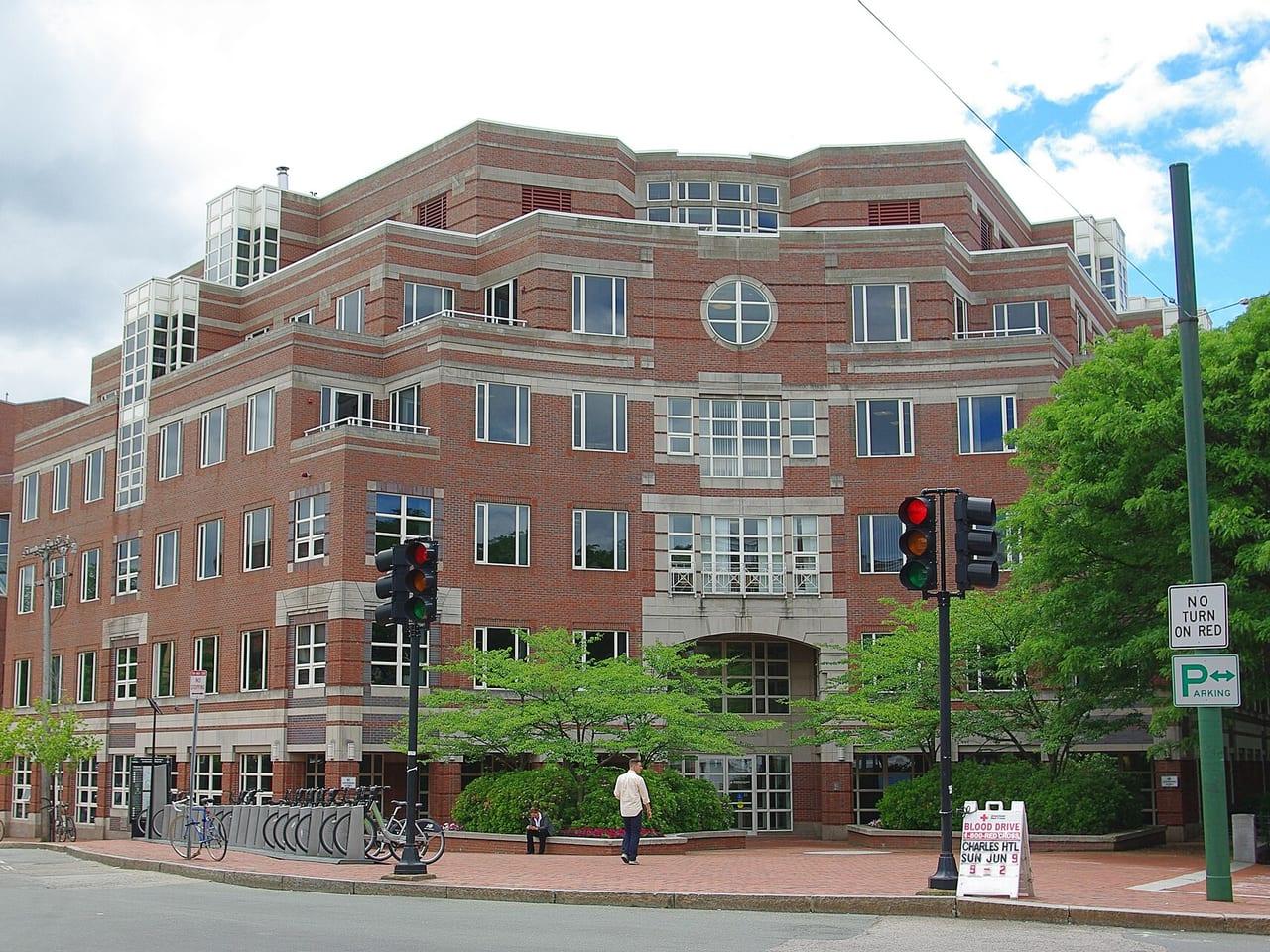
A five-story red-brick building with stone bands and a round window, at a street corner with trees and a traffic light
The Taubman Building at Harvard Kennedy School · Photo: Bostonian13 / Wikimedia Commons, CC BY-SA 3.0. Resized and cropped.

GET TO KNOW THE TWO DEGREES

Choose the MPP to learn policy design, analysis, and implementation, or the MPA/ID to apply economics to development.

Each takes four semesters of full-time study in person, starting in the fall.

THE MPP

Add a policy area to the core, and finish with a project for a client.

The first-year core includes markets, empirical methods, policy design, politics, and negotiation. Your capstone, the Policy Analysis Exercise, is an applied thesis for a real client organization.

THE MPA/ID

Take an economics core, and spend a summer on a development project.

The core includes advanced microeconomics, macroeconomics, and quantitative methods. Your capstone, the Second Year Policy Analysis, is a paper on a current development issue.

You can apply to only one master’s program per admissions cycle, so check three things first.

Check your transcript against the MPA/ID’s economics and math prerequisites. Ask whether the work you want next is in development. Then decide how to spend the summer between the two years, since the MPA/ID requires a development project then.

The MPP: policy areas and preparation

Your policy area: Choose one of six: Business and Government Policy; Democracy, Politics, and Institutions; International and Global Affairs; International Development; Social and Urban Policy; or Technology, a pilot for 2026–27 and 2027–28.

When you declare: Typically in the fall of your final year, or earlier for International and Global Affairs or Technology. Technology asks you to show substantial experience with introductory statistics and programming.

The Data and Research Methods track: MPP students can pursue this STEM-designated track. Ask the Harvard International Office whether completing it would let you apply for the STEM extension.

Before you start: The MPP’s August 2026 guide describes a quantitative self-diagnostic and summer pre-work in economics and statistics. The 2027–28 calendar, subject to change, lists orientation from August 23 to 27.

The MPA/ID: Math Camp and graduation rules

Math Camp: The 2027–28 calendar, subject to change, lists an MPA/ID Program Seminar from August 9 to 27. Ask the program whether that’s the required three-week Math Camp before you book travel.

To graduate: You need at least 76 credits, a B average or better, and a B- or higher in every required MPA/ID course.

Joint degrees with business or law

Business or law: A joint degree adds a Master of Business Administration (MBA) at Harvard Business School or a law degree (JD) at Harvard Law School, and both schools must admit you. For the MBA, apply to both in the same admissions cycle.

If you’re coming to Harvard from outside the U.S.

Your I-20: The Kennedy School’s March 2025 tips say you complete its financial certification before the Harvard International Office issues your I-20, the document you need to apply for the visa.

Arriving: You can enter the U.S. no more than 30 days before your program starts. Math Camp comes before classes, so if you’re joining the MPA/ID, ask the Harvard International Office which start date your I-20 will show.

Internships and CPT: Curricular Practical Training (CPT) authorizes F-1 work that’s a required part of the degree. Since August 2026, U.S. guidance says optional internships no longer qualify, so ask the Harvard International Office before you accept a U.S. internship in either degree.

Housing: Harvard University Housing offers apartments to graduate students. Ask when admitted students can apply.

A sunny lawn under tall shade trees, with people resting on the grass and a path along one side
John F. Kennedy Memorial Park, next to Harvard Kennedy School · Photo: Rhododendrites / Wikimedia Commons, CC BY-SA 4.0. Resized and cropped.

UNDERSTAND WHAT THE KENNEDY SCHOOL LOOKS FOR

Prove you can handle the numbers, whichever degree you choose.

The Kennedy School says it receives more qualified applicants than it can admit, and the MPA/ID asks for strong grades in economics and math.

YOUR QUANTITATIVE RECORD

Let your transcript show the economics and math you’ve done.

For the MPP, success in undergraduate economics, statistics, or calculus counts as evidence of quantitative skill. The MPA/ID asks for at least one university course each in microeconomics, macroeconomics, and calculus through multivariable calculus.

Letrado’s adviceIf those grades are weak or old, take a recent graded course, and aim for a strong quantitative score on the GRE (Graduate Record Examinations) or GMAT (Graduate Management Admission Test), the admissions tests both degrees require.
YOUR WORK

Show the public problems you’ve worked on, and your exact part.

Neither degree requires work experience, but both prefer it. Incoming MPP students typically have two to three years, and most admitted MPA/ID students have at least two years of development-related work.

Letrado’s adviceChoose one problem you know from the inside, and separate what you did from what your team did.

YOUR COMMITMENT

Show where your work is heading.

The MPA/ID looks for a commitment to solving the economic, social, or political problems facing low-income communities, regions, or nations.

Letrado’s adviceName the people or places you want to serve and what you’ve already done for them.

MPP or MPA/ID? The two side by side

TWO DEGREES COMPARED

The MPA/ID asks for more economics and math, three weeks of Math Camp, and a required internship.

Any major

MPP: success in economics, statistics, or calculus

Specific courses

MPA/ID: microeconomics, macroeconomics, and calculus through multivariable calculus

Optional

MPP: an in-person Math Review the week before Orientation

Required

MPA/ID: three weeks of Math Camp before the academic year

Optional

MPP: most students take an internship after the first year

Required

MPA/ID: a development project, typically in a low- to middle-income country abroad

Missing a course the MPA/ID requires?

THE MPA/ID’S PREREQUISITES

A missing course can wait until after you apply, if it’s done before the program starts.

The program’s July 2026 guide says undergraduate, extension, online, and other accredited courses all count, with an official transcript as proof, and that the program offers conditional admission with a feasible plan to finish first.

If you’ve never studied economics, the guide encourages you to complete the required economics and quantitative courses before you apply.

Where the Class of 2025 went

CLASS OF 2025 EMPLOYMENT SNAPSHOT

Most employed graduates of both degrees went into government or the private sector.

MPP

36% government or intergovernmental, 24% nonprofit or nongovernmental, 39% private sector, and 1% political campaigns

MPA/ID

42% government or intergovernmental, 15% nonprofit or nongovernmental, 42% private sector, and 2% unspecified

97%of MPA/ID graduates came from outside the U.S.
29%of employed non-U.S. MPA/ID graduates went home

Shares count employed graduates and are rounded. The snapshot covers 206 MPP and 73 MPA/ID graduates.

Using AI and outside help on your application

WHAT THE KENNEDY SCHOOL SAYS

Everything you submit must be “your own, original work.”

Allowed

AI to help with edits, spot spelling or grammar errors, and organize your thoughts. A person may proofread your essays.

Not allowed

AI or anyone else writing or rewriting your essays, or AI translating them into English.

You certify that no one else wrote, rewrote, or translated your materials. An optional question of up to 250 words lets you describe any AI you used; the Admissions Committee won’t see your answer.

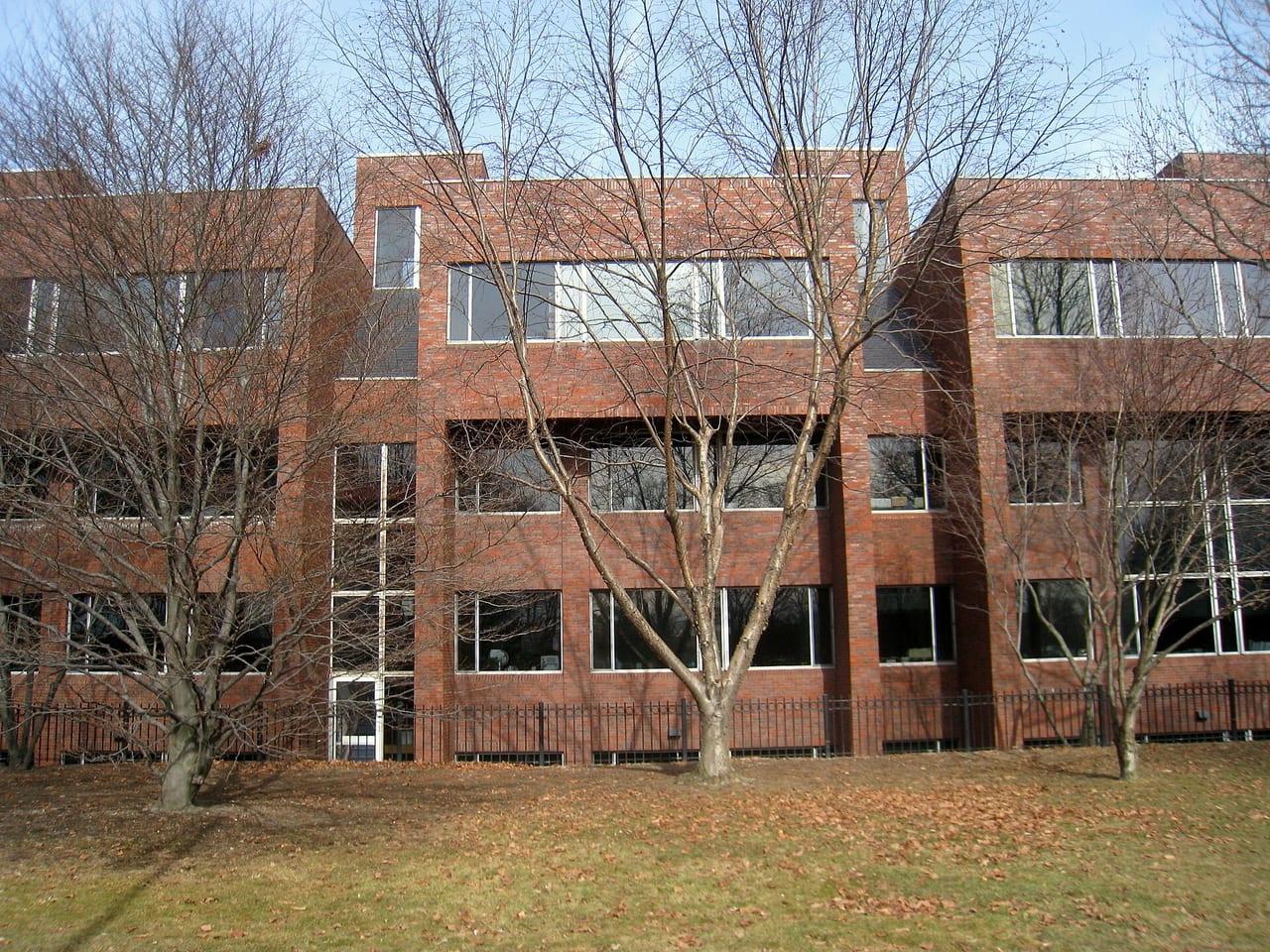
A red-brick building with deep window bays behind bare winter trees and a lawn of fallen leaves
Harvard Kennedy School in winter · Photo: Daderot / Wikimedia Commons, public domain. Resized.

PLAN THE APPLICATION

Applications to either degree are due December 1, 2026, at noon Eastern Time, and financial aid applications are due January 15, 2027.

Everything the online application asks for, including official test scores, must arrive by the deadline.

Application deadline, MPP and MPA/ID

Dec 1, 2026
Due by
Noon Eastern Time
Fee
$100

Financial aid application

Jan 15, 2027
Due by
Noon Eastern Time

Admission and aid decisions

Mid-March 2027

Reply deadline for admission and aid

Mid-April 2027

Facts checked against official pages on November 7, 2026.

Prepare these pieces together.

  • Application and fee

    The online application and a $100 fee. Some applicants may qualify for a waiver.

  • Essays

    Three for the MPP or four for the MPA/ID, of 250 or 750 words each.

  • Résumé and transcripts

    A résumé, and unofficial transcripts from every college or university where you earned credit.

  • Three recommendations

    Written in English and submitted online. Additional letters aren’t accepted.

  • The GRE or GMAT

    Required for both. For the MPA/ID, you’re generally most competitive with a quantitative score of 160 or above on the GRE, or 48 or above on the GMAT.

  • English scores and a video essay

    Non-native English speakers without an undergraduate degree taught in English send TOEFL (Test of English as a Foreign Language), IELTS (International English Language Testing System), or Cambridge English results and a video essay.

The GRE or GMAT, and English tests

The MPP’s waiver: On November 7, 2026, the school’s page said “the GRE/GMAT waiver deadline has passed,” so send scores unless you requested a waiver earlier.

English minimums: 5 on the internet-based TOEFL’s 1 to 6 scale (100 if you tested before January 2026), in person or Home Edition; 7 overall on the IELTS; or 185 at Level C1 or C2 on Cambridge English, all in a single sitting.

Accepted tests: IELTS must be the Academic test. MyBest TOEFL scores, the TOEFL ITP, IELTS General Training, and the IELTS Single Skill Retake aren’t accepted, and the Duolingo English Test isn’t listed.

Sending scores: Use GRE code 3454, GMAT code HRL-27-69, and TOEFL code 3454 with department code 99. For IELTS, list “Harvard Kennedy School.” English scores must be under two years old.

Translations, letters, fee waivers, and applying again

Translations: Records not in English must be translated by the issuing institution or a certified translation service.

Credential evaluations: Not required, but strongly encouraged. The school often recommends World Education Services and SpanTran.

Three-year degrees: Ask admissions whether a three-year bachelor’s degree meets the requirement before you apply.

Letters: With over two years of work experience, two of your three letters should come from work colleagues, including a supervisor. Otherwise, ask two faculty members and a current or recent supervisor.

Fee waivers: Participants or alumni of certain service and fellowship programs may qualify. Others can request one after submitting, on the application status page.

Deferrals: The Kennedy School grants them only for emergency circumstances.

Applying again: You can apply to the same degree up to three times. Each reapplication needs a new application, fee, and essays, plus a 250-word statement on what has changed.

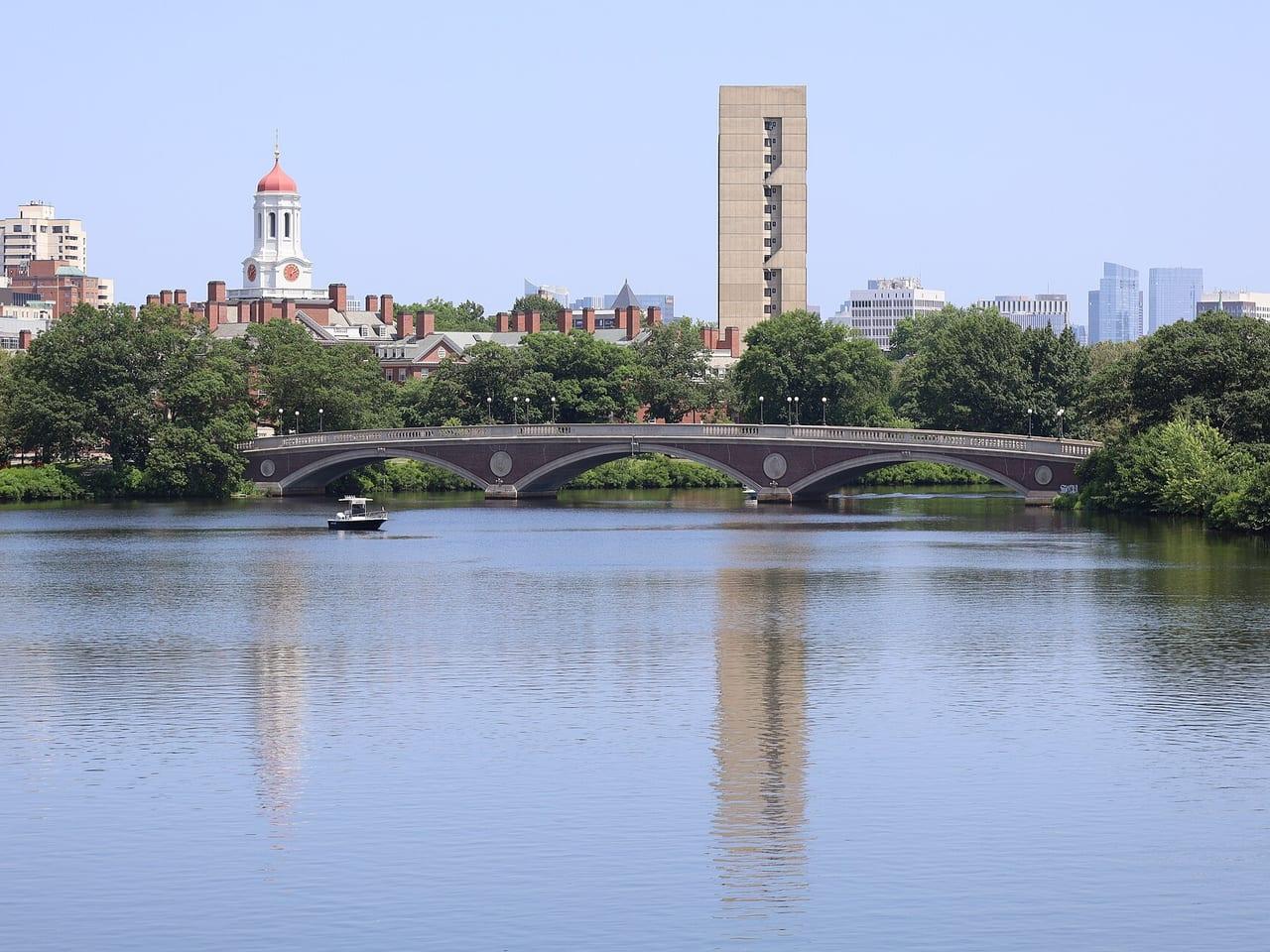
A brick footbridge with three arches over a wide, calm river, with a red-domed tower and city buildings beyond the trees
The Weeks Footbridge over the Charles River in Cambridge · Photo: Antony-22 / Wikimedia Commons, CC BY-SA 4.0. Resized and cropped.

WRITE IN YOUR OWN VOICE

Answer your degree’s own questions: three essays for the MPP, four for the MPA/ID.

Up to 750 wordsFor the long essays. Short ones are up to 250 words, and the video essay gets 90 seconds.

Check each essay’s length yourself: a 2023 Kennedy School post says the online application won’t stop you from going over.

Letrado’s advicePlan the essays as one set, starting with the MPP’s JFK Essay or the MPA/ID’s Public Policy Essay.

MPP · JFK Essay · 750 words

Explain how the Kennedy School fits your broader plans.

Connect the MPP to your plans for public leadership and service, and your career goals.

MPP · Perspectives Essay · 250 words

Describe a time your view changed or broadened.

Start from an experience or from your interactions with others.

MPP · Personal History Essay · 250 words

Introduce yourself as you’d be introduced at a professional event.

A concise professional biography: your background, key accomplishments, and expertise.

MPA/ID · International Development Essay · 750 words

Explain why you chose international development as your career.

Include how building analytic skills relates to that career.

MPA/ID · Leadership Experience Essay · 750 words

Describe a time you led, managed, or made a significant decision.

Choose one event or experience.

MPA/ID · Public Policy Essay · 750 words

Name a development problem you would choose to solve.

Explain why you chose it and what makes it hard to solve.

MPA/ID · Personal History Essay · 250 words

Say how you’d add to the Kennedy School’s learning environment.

Unlike the MPP’s version, it asks what you’d contribute.

Video essay · with English scores

Answer one question on camera, in one take.

You get 60 seconds to prepare, 90 to record, and no second try.

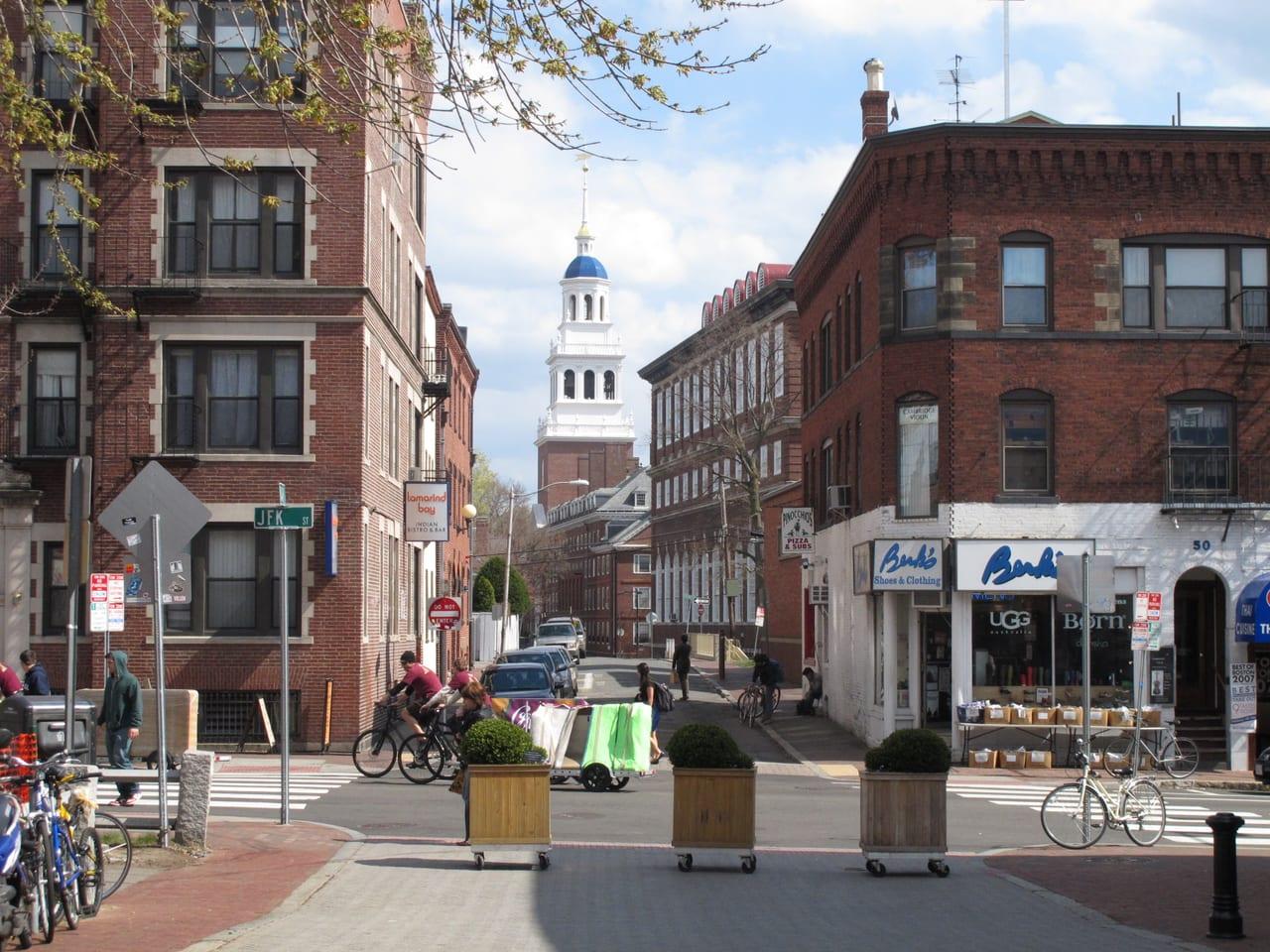
A brick street corner with a JFK St sign, students cycling past shops, and a white bell tower with a blue dome at the end of the street
The corner of Winthrop and John F. Kennedy Streets in Cambridge, near the Kennedy School · Photo: Андрей Романенко / Wikimedia Commons, CC BY-SA 4.0. Resized.

MAKE ROOM FOR THE FINANCIAL QUESTION

A year at the Kennedy School costs more than $100,000 in 2026–27, so its aid matters: the aid application is due January 15, 2027.

File the separate aid application, which opens after you apply, to be considered for the school’s awards. They’re primarily merit-based, need may be considered in setting the amount, and international students are eligible.

PUBLIC SERVICE FELLOWSHIPS

Up to tuition and fees

They typically cover tuition and fees, up to your financial need.

RESEARCH CENTER FELLOWSHIPS

Usually the aid application

Several have their own application, so check each listing.

HARVARD-WIDE FELLOWSHIPS

A separate application

Harvard’s Committee on General Scholarships offers international fellowships to admitted applicants across Harvard, and the funding is very competitive.

Scholarships and fellowships (opens in a new tab)

PUBLISHED 2026–27 COST OF ATTENDANCE · MPP, NINE MONTHS

$103,759

That’s $72,106 in tuition and fees plus $31,653 for nine months of living and other costs. The MPA/ID’s first year adds a $2,299 Math Seminar: $106,058 in all.

See the full budget
Tuition, either degree
$64,340
MPA/ID Math Seminar, first year only
$2,299
Course materials fee
$618
Student activity fee
$250
Student health fee
$1,944
Student Health Insurance Plan (may be waived with comparable coverage)
$4,954
Living expenses, nine months
$26,568
Personal expenses
$2,583
Transportation
$891
Books and supplies
$1,611
MPA/ID first year, in all
$106,058

2027–28 rates are due in March 2027, and tuition and fees can change without notice.

Tuition and fees, 2026–27 (opens in a new tab)
AI illustration

A.O. · OFFERED A PLACE IN THE MPP

A.O. kept Harvard as a serious option, then chose Princeton after comparing funding and quantitative training.

Read A.O.’s full story

Line up loans and outside funding before you accept an offer.

  • Loans for international studentsYou can take only private loans: up to $20,500 a year from the Harvard Federal Credit Union without a co-signer, or up to $30,000 a year through College Ave, capped at your cost of attendance minus other aid.
  • U.S. federal loansU.S. citizens, permanent residents, and eligible noncitizens file the FAFSA, the federal aid form (code E00215), and can generally borrow up to $20,500 a year in Direct Unsubsidized Loans. Graduate PLUS loans ended for new borrowers on July 1, 2026.
  • Internship grants for the MPA/IDMPA/ID students may be eligible to apply for one to offset a summer internship’s costs (July 2026 guide).

Letrado’s adviceDraft the aid application’s own essays with your admission essays. If you’re offered a place, compare any award with two full years of costs and, for the MPA/ID, a summer typically spent abroad.

ADMITTED TO HARVARD KENNEDY SCHOOL · D.A.

D.A. drew a clear line between his own work and his organization’s research.

After three years as an economic analyst with a regional development organization in Ghana, he had contributed ideas and seen some of his wording in final reports. That didn’t make him an author, and we questioned every unclear claim.

He mapped who did what.

He separated the question, design, data, analysis, writing, and publication, then marked his own work and what he could cite only as context.

He named what his data couldn’t support.

His statement drew on one employment-program evaluation, kept to his data and briefing work, and said where the evidence was uncertain.

He planned for funding from the start.

He could attend only with a sustainable package, so he worked on funding applications before any offer came.

The MPA/ID (opens in a new tab) lists statistics and linear algebra as desirable, not required. D.A. added recent math coursework before he applied.

AI illustration

D.A. · INTERNATIONAL DEVELOPMENT

He wrote every statement himself, and asked his supervisors to confirm what he could share.

Read D.A.’s full story
Harvard Kennedy School

HIS KENNEDY SCHOOL OUTCOME

Offered a place in the MPA in International Development (MPA/ID)
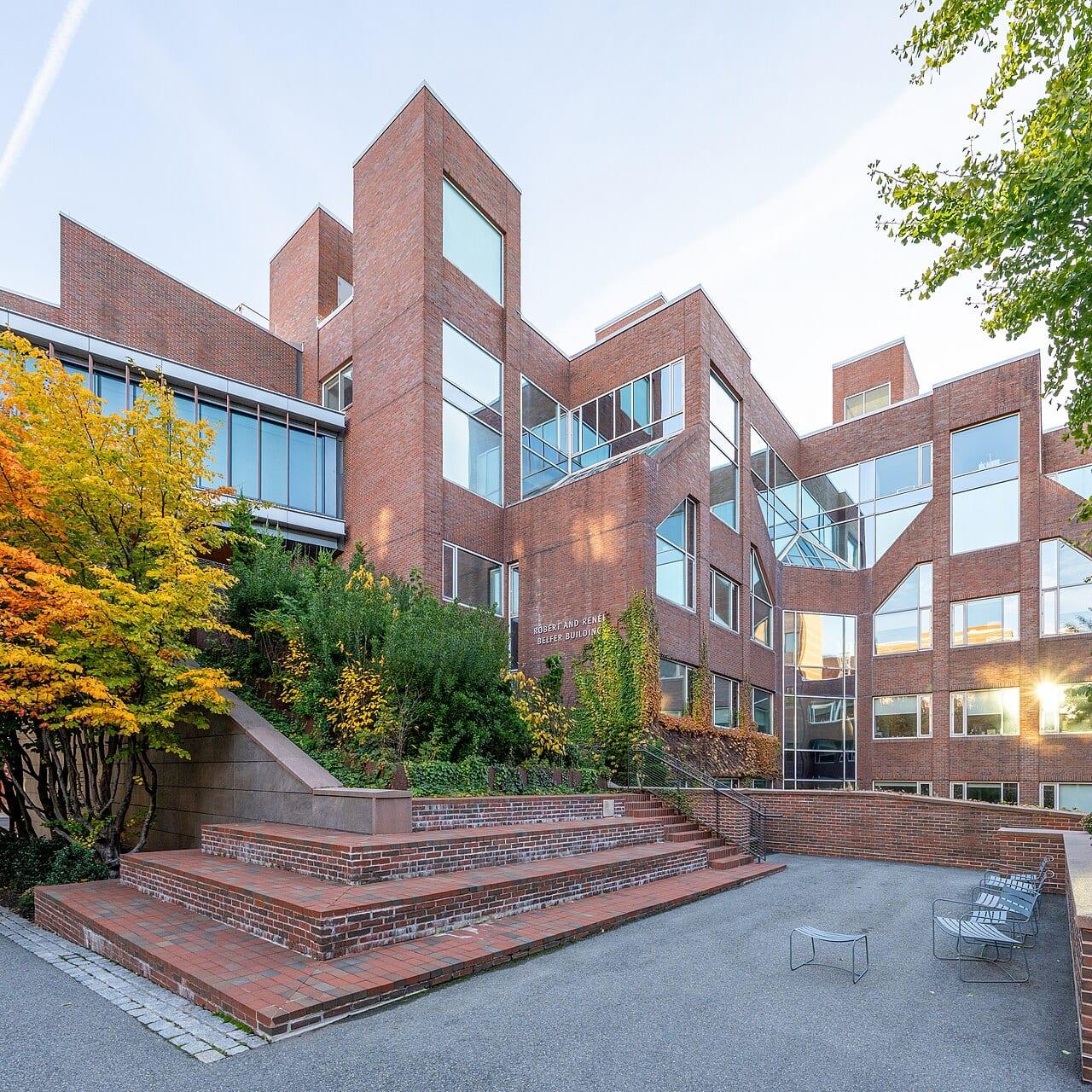
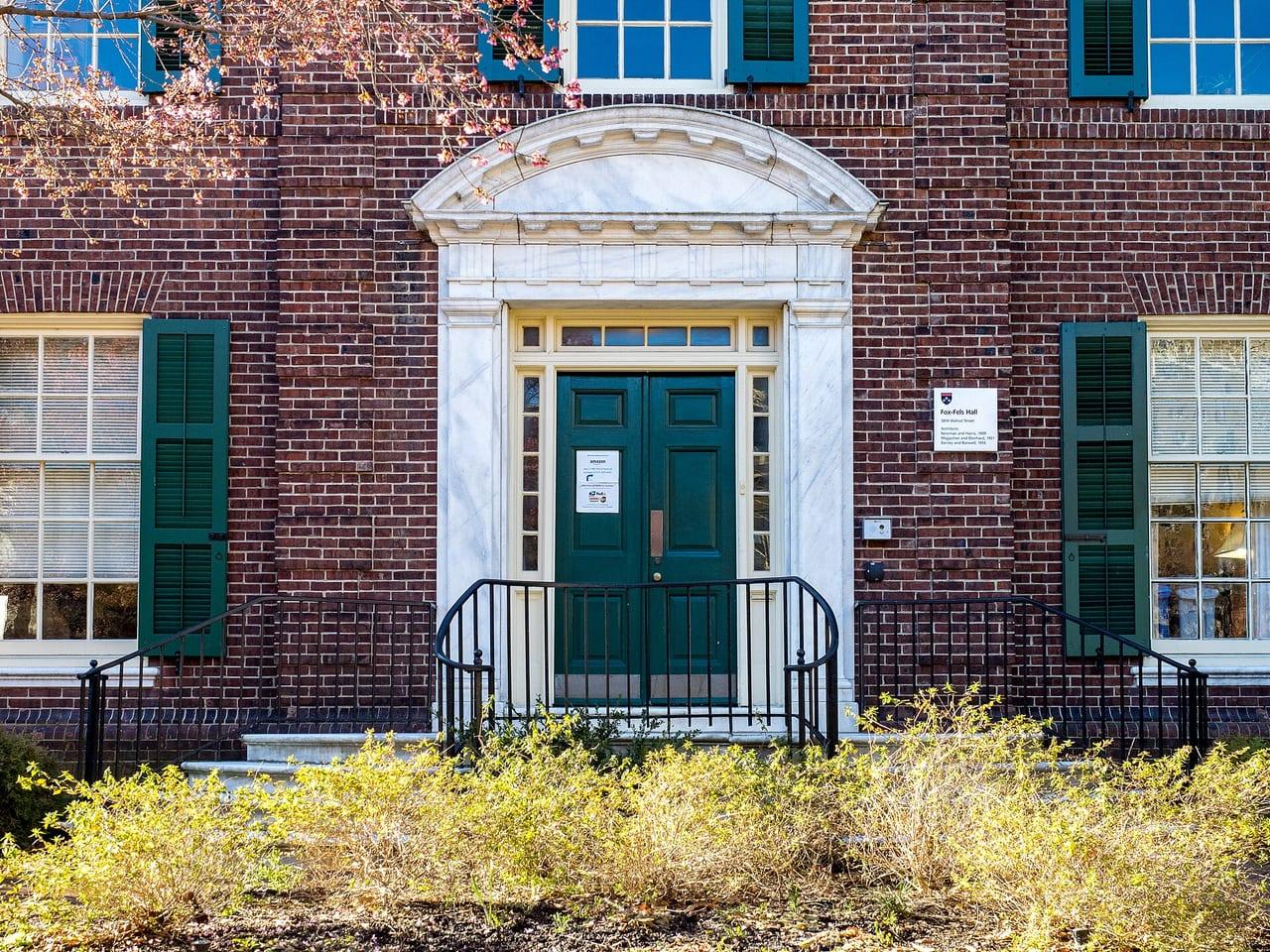
The brick Belfer Building at Harvard Kennedy School, with autumn trees and outdoor stepsHIS CHOICE: HARVARD KENNEDY SCHOOL

Belfer Building, Harvard Kennedy School · Photo: ajay_suresh / Wikimedia Commons, CC BY 4.0. Cropped.

He chose the MPA/ID once funding made attending possible.

Oxford had the purest focus on development economics, but economics tied to putting policy into practice fit his goals best.

ALSO ADMITTED TO

  • University of Oxford
  • Yale University

Anonymized client journeys, shared with initials to protect privacy. Portraits are AI illustrations, not photographs of our clients.

Browse all client journeys

WHEN YOU’D LIKE A HAND

A conversation can help you find a useful place to start.

Bring your questions to a free 45-minute introduction with your proposed mentor. Afterward, we’ll email a personalized plan with recommended next steps.

Official Harvard Kennedy School, Harvard University, and U.S. government sources are linked beside the relevant guidance.

Kennedy School master’s admissions (opens in a new tab)